
Can Kidney Stones Cause Constipation? The Short Answer
Expert reviewed
Last reviewed: 24 September 2026
Dr. Hena A. Ansari (MBBS, MD) reviewed the medical wording and evidence summaries on this page to keep it education-only. How our medical review works
Reminder: This page is general education and does not replace medical care.
Table of Contents
In this article, we explore this question, examining how the link affects your digestive health, what can be done to manage both conditions, and how to prevent them in the future. Understanding this connection is essential, but remember, this information is for educational purposes and should not replace personalized advice from your healthcare provider for a plan tailored to your needs.
How Do Kidney Stones Affect Digestion?
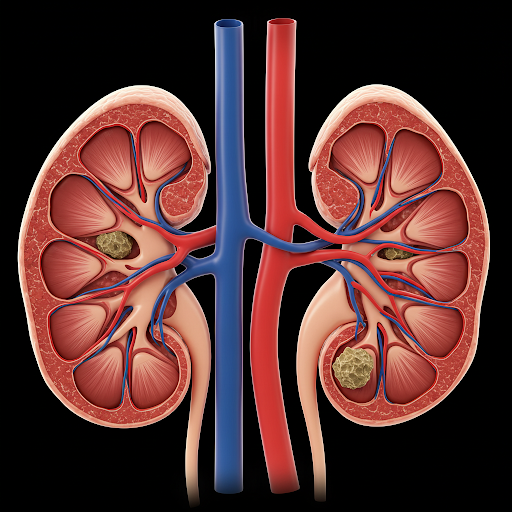
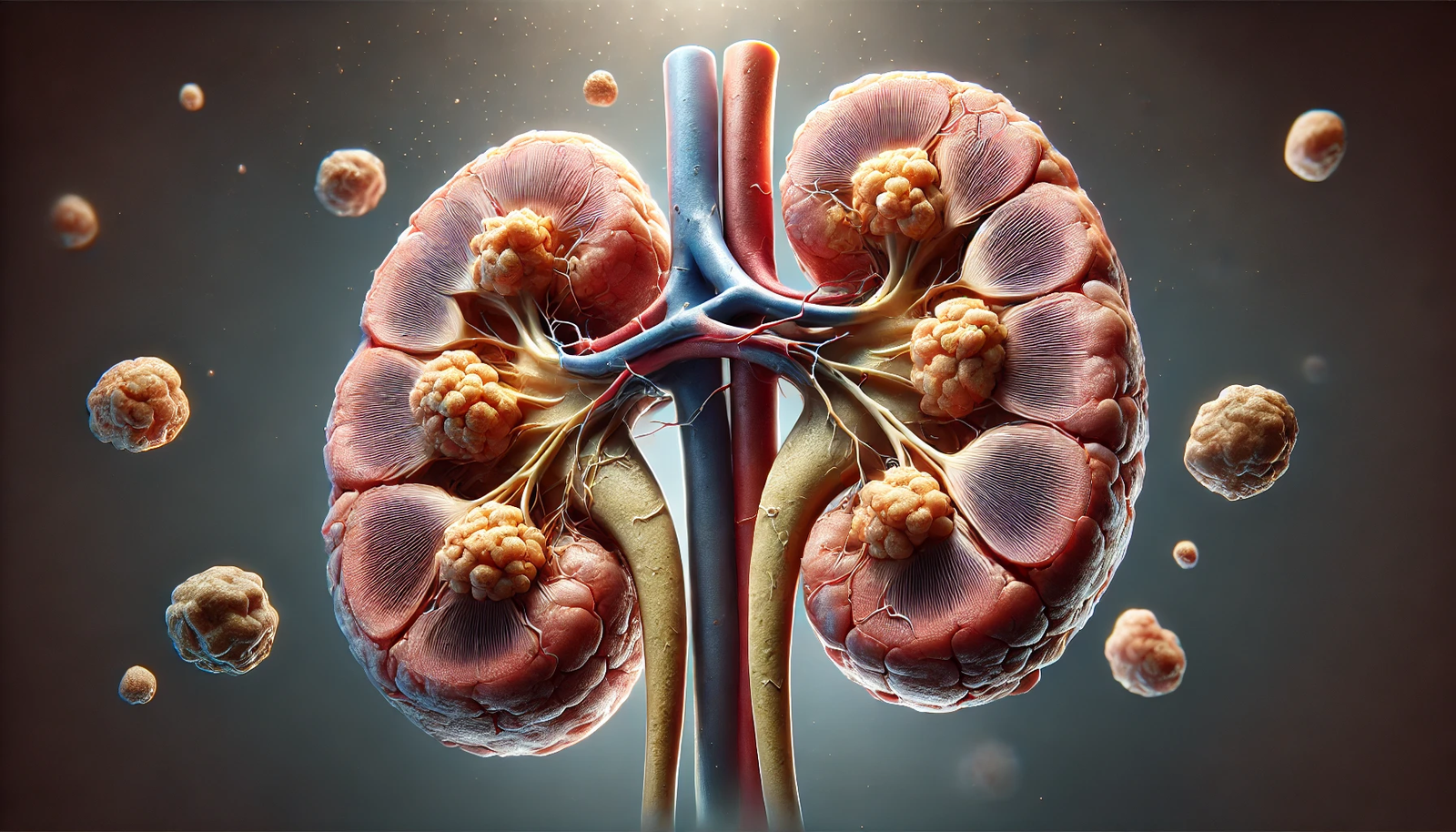
Imagine tiny crystals of minerals and salts forming in your urine; that’s essentially what kidney stones are, and they can cause significant pain. While the primary concern with kidney stones is the urinary system, there are several other body systems that they can disrupt, one being the digestive system.
Severe Pain and Its Impact on Digestion
Many patients ask the question, ‘Can kidney stones cause constipation?’ as the severe pain sometimes disrupts normal bowel movements. The movement of kidney stones through the urinary tract and ureters is often associated with excruciating pain. This pain can be so debilitating that it impedes normal digestion, resulting in gastrointestinal distress like nausea and vomiting. The broad response of the body to pain includes an accompanying feeling of nausea and vomiting, which tends to slow down the digestive process, often leading to constipation issues.
Dehydration
Chronic dehydration significantly raises the risk of kidney stones. When the body lacks adequate fluids, minerals like calcium and oxalate accumulate in concentrated urine, crystallizing into stones. The National Kidney Foundation highlights that low water intake is a leading preventable cause of stone formation
Inadequate hydration reduces the colon’s capacity to soften stools. Without enough water, the colon absorbs excess fluid from waste, leading to dry, hard stools that are difficult to pass. This raises the question, Can Kidney Stones Cause Constipation, especially when dehydration leads to harder stools? The Mayo Clinic identifies dehydration as a key contributor to constipation
Medications
For kidney stones, pain is often managed with opioids, which, unfortunately, can lead to constipation. These medications decrease the activity of the gastrointestinal tract, which may result in faeces being retained in the colon. If you have been prescribed opioids, discuss the possibility of using stool-softening medications or laxatives with your doctor.
Does Kidney Stone Pain Cause Constipation?
Yes, constipation can be a result of kidney stone pain, but it is not always related. Here are some reasons how:
• Reduced Physical Activity: Many people severely restrict movement due to intense pain, and less movement translates to slower bowel movements.
• Stress Response: The jerked and tensed muscles from pain can trigger stressors to release hormones like cortisol and adrenaline, which can decelerate digestion and thus result in constipation.
• Dietary Changes: Having a lower appetite due to kidney stone pain may lead to low fiber and water drinking, causing constipation.
Symptoms of Constipation Caused by Kidney Stones
When suffering from constipation induced by kidney stones, here are some symptoms you are likely to experience:
• Bowel motions that are difficult to manage or occur less often
• Feeling discomfort or swelling in the stomach
• Pain that radiates from the lower back to the sides close to the kidneys
• Difficulty while attempting to pass stool from the bowels
• Painful, hard stools that may cause tearing or discomfort
If you’re also dealing with back or side tightness during this time, gentle heat may feel soothing for tense muscles. Here’s a simple guide: Does a Heating Pad Help With Kidney Stones?
It is important to distinguish kidney discomfort from common muscle soreness. Unlike generalized body aches without fever that improve with rest, kidney stone pain often remains sharp and constant.
If these symptoms persist, consult your doctor to rule out other health issues and create a personalized treatment plan.
Practical Tips to Manage Constipation When You Have Kidney Stones
Taking proactive steps to manage both kidney stones and constipation can significantly improve your quality of life. However, learning how to manage these two conditions simultaneously can offer relief. Consider the following techniques to manage both conditions effectively:
Stay Hydrated
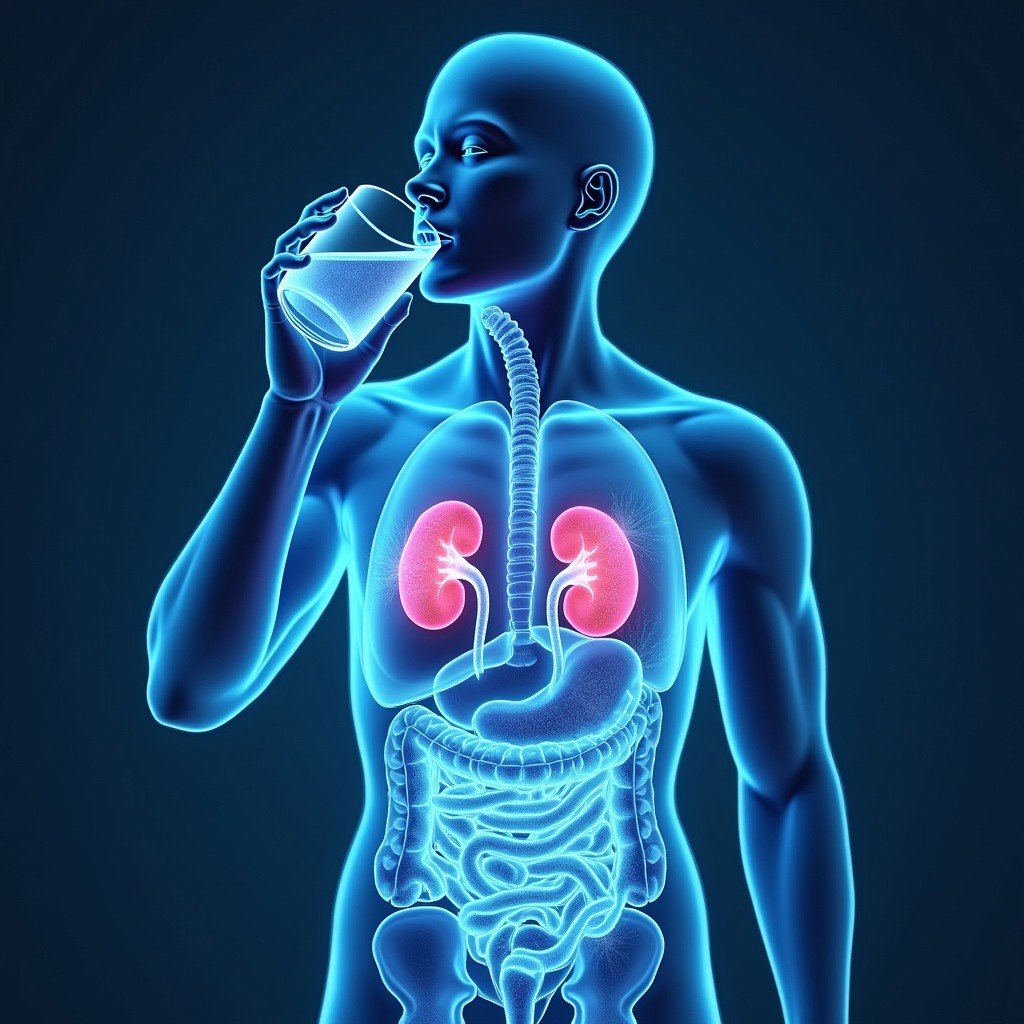
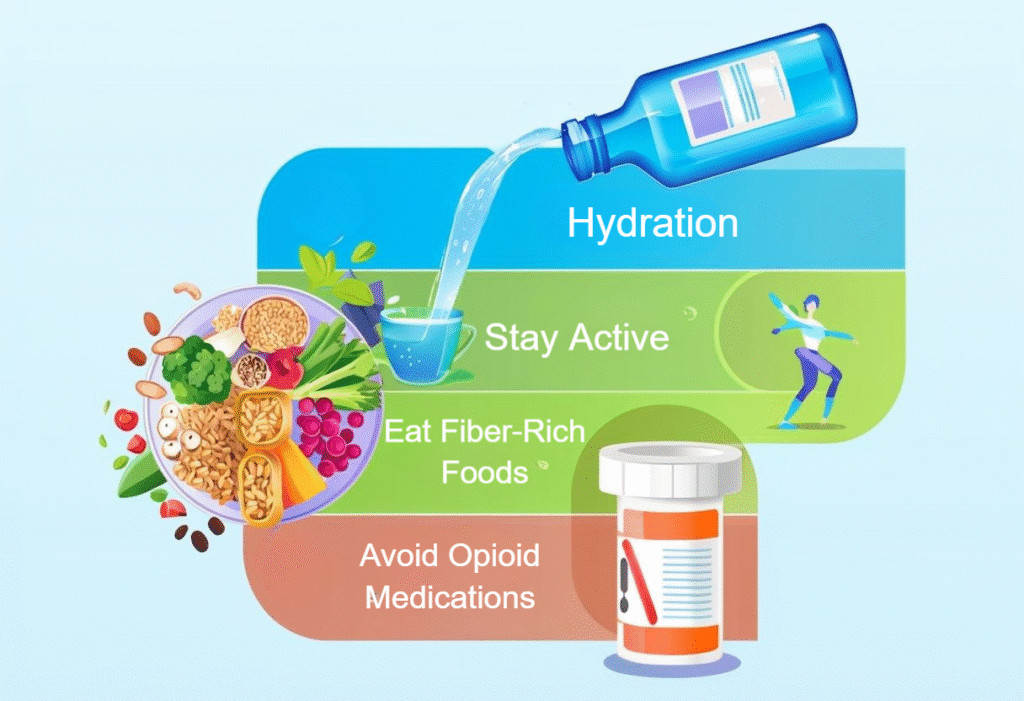
Staying well hydrated is one of the main ways to lower the risk of kidney stones, but the right amount differs from person to person, so ask your doctor how much is right for you (especially if you have heart or kidney problems). If you’re prone to stones, your doctor may recommend increasing this to 12–13 glasses to dilute urine and reduce mineral buildup. Avoid sugary beverages and excessive caffeine, since they might dehydrate you.
Increase Fiber Intake
Incorporate fiber-rich foods like whole grains (oatmeal, brown rice), fruits (apples, pears), vegetables (broccoli, carrots), and legumes (lentils, beans) into your diet. General guidelines suggest around 25 to 30 grams of dietary fiber a day for adults, increased slowly to minimize bloating. Focus on low-oxalate, high-fiber foods tailored for kidney health.
Note: If you are following a certain diet for managing kidney stones, such as low oxalate or low calcium, make sure you work with a dietitian for the proper amount of balance with fiber
Engage in Light Physical Activity
Light physical activity, such as walking for 10–15 minutes a day, can help stimulate digestion and improve bowel movements. If kidney stone pain limits your mobility, consult your doctor for safe exercise recommendations tailored to your condition.
Ask About Constipating Medicines
If you’re prescribed opioids for kidney stone pain, ask your doctor about alternatives like nonsteroidal anti-inflammatory drugs (NSAIDs) or adjunct therapies such as heat pads or acupuncture. If opioids are necessary, ask your doctor whether anything is needed to prevent constipation.
Ask about over-the-counter options
For mild constipation, doctors and pharmacists sometimes suggest an over-the-counter stool softener or osmotic laxative, which work by drawing water into the stool. Which one, if any, is suitable depends on your health and your other medicines, so please ask before using one. Getting advice first is especially important if you’re already taking opioids or other treatments for kidney stones.
Can Kidney Stones Cause Gas, Bloating or Diarrhea?
Can kidney stones cause gas and constipation?
Kidney stones do not usually cause constipation by physically blocking or directly slowing the bowel. Constipation can occur during a stone episode for indirect reasons: opioid pain medicines commonly slow bowel movement, while severe pain or nausea may reduce normal eating, drinking and activity. Nausea and vomiting are recognized symptoms of renal colic, but current evidence is not strong enough to say that a kidney stone itself routinely causes constipation or trapped gas through shared nerve pathways.
Can kidney stones cause bloating?
Some people feel bloated or full during a kidney stone episode. This may relate to pain medicines, nausea, eating and drinking less, or constipation, rather than the stone acting on the bowel directly. Bloating with a hard, swollen, very tender belly, vomiting or no gas passing is not typical and needs urgent medical review.
Can kidney stones cause diarrhea?
Although kidney stones are typically linked to constipation, some patients wonder, can kidney stones cause diarrhea? While diarrhea isn’t common, it can occur indirectly. For example, pain medications like opioids may disrupt normal gut function, and complications such as infections or dehydration can upset your digestive balance. Despite this, constipation remains the primary issue. If you experience persistent diarrhea alongside other symptoms, consult your healthcare provider.
Can Constipation Cause Kidney Stones?
A 2024 cross-sectional analysis of 8,067 US adults found an association between chronic diarrhea and a history of renal stones. Chronic constipation was associated with renal stones only in the subgroup with obesity (BMI above 30 kg/m²). Because the study was cross-sectional, it cannot show that constipation or diarrhea caused the stones (Shen et al., 2024).
Some lifestyle factors may overlap, particularly inadequate fluid intake. The relationship between diet, bowel habits and kidney-stone risk is more complex and can vary by stone type, so the NHANES association should not be interpreted as proof that constipation causes stones.
How to Prevent Kidney Stones and Constipation
Kidney stones can be prevented alongside the risks of constipation. For those who tend to develop kidney stones, here are some steps to take.
Stay Hydrated
NIDDK’s kidney-stone guidance explains that drinking enough liquid can help prevent stones, while the appropriate amount depends on a person’s health. NIDDK’s constipation guidance explains that water and other liquids help dietary fiber make stools softer and easier to pass. Anyone with a fluid restriction needs individual guidance from a health professional.
Watch Your Sodium and Sugar Intake
Health bodies generally suggest keeping sodium under 2,300 mg a day (about one teaspoon of salt); less salt also means less calcium in the urine. Reducing added sugars is beneficial for overall health and may help prevent calcium oxalate stones indirectly.
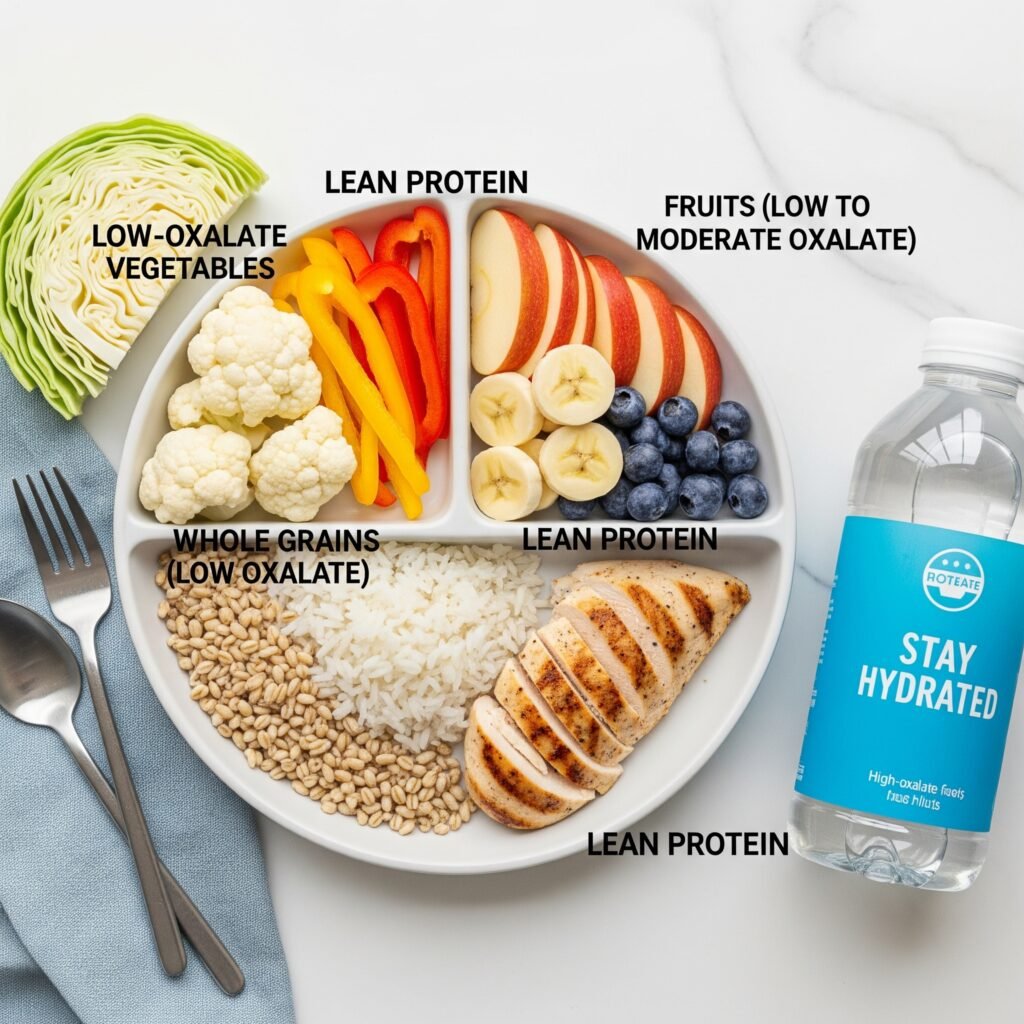
Prefer whole, unprocessed foods over processed foods. Give preference to vegetables, food having lean proteins, and fresh fruits.
Diet plays a major role in stone formation. Reducing processed foods and managing your glucose intake is key. If you are worried about your current diet, read How Long Does Sugar Stay in Your Body? to understand how to reset.
Moderate Animal Protein
Large amounts of animal protein, such as red meat, poultry and seafood, can raise uric acid levels and the risk of uric acid stones, so doctors often suggest moderating them and including more plant-based proteins like quinoa, lentils, beans and tofu. Your own doctor or dietitian can tell you what suits your stone type. Aim for a balanced diet that supports both kidney and digestive health.
Consult a Dietitian
In the event that a person has previously had kidney stones. In that case, a dietitian will be able to formulate a diet to alleviate the chances of kidney stones reappearing while assisting the digestive tract.
General Advice from Medical Professionals
Urologists emphasize appropriate water intake and a balanced diet when managing kidney stones and constipation. For example, urologists tend to recommend the following best practices:
• Hydration: Greatly increasing water intake prevents the formation of kidney stones while simultaneously aiding in softening stool to avoid constipation.
• Diet: Eating a diet low in processed foods while high in fiber supports kidney and bowel function.
• Medication: For those who require opioids for pain control, adjunct measures such as stool softeners or laxatives might be required to deal with the drugs’ constipating side effects.
It is important to remember that these recommendations are best practice approaches, and always follow a healthcare provider’s tailored advice.
When to Get Medical Help Right Away
- Fever or chills with kidney stone pain (a blocked, infected kidney is an emergency)
- Vomiting that stops you keeping fluids down
- A swollen, hard or very tender belly, or not passing gas or stool at all
- Very little or no urine, or pain that painkillers do not control
- Blood in your stool or black, tarry stools
Conclusion: Can Kidney Stones Cause Constipation?
To summarize, kidney stones can play a role in constipation alongside a plethora of other factors. While the association may be less direct in terms of pain, medication, and dehydration, finding ways to manage both issues is crucial to avoid further complications. Being hydrated, consuming a fiber-dense diet, maintaining an active lifestyle, and speaking to your physician regarding pain management will help lead patients towards relief.
If your challenges include managing both kidney stones and constipation, it is vital to consult your physician to develop a plan that tackles both concerns. Taking action sooner rather than later will lead to improvement of symptoms in a shorter timeframe.
Ultimately, understanding Can Kidney Stones Cause Constipation is crucial for managing both conditions effectively and improving your quality of life.
Expert Opinion on the Link Between Kidney Stones and Constipation
Dr. Hena Ansari, MBBS, MD, Professor, Jawaharlal Nehru Medical College, AMU
As a medical professional with over 18 years of experience, I often see patients with kidney stones grappling with digestive issues like constipation. Kidney stones can indirectly cause constipation through multiple pathways: severe pain reduces physical activity, slowing bowel motility; dehydration, a key risk factor for stone formation, hardens stools; and opioid medications for pain relief suppress gastrointestinal function. For example, patients with calcium oxalate stones are particularly prone to dehydration-related constipation, as low fluid intake concentrates urine and dries out stools.
To manage this, I recommend drinking at least 2.5–3 liters of water daily to dilute urine and soften stools, alongside 25–30 grams of dietary fiber from low-oxalate sources like apples or broccoli. Light activities, such as walking, can also stimulate digestion. However, dietary adjustments must be tailored to the stone type—calcium, uric acid, or struvite—as oxalate or purine restrictions vary. Always consult a urologist or dietitian to develop a personalized plan, as untreated constipation can exacerbate discomfort and complicate kidney stone management
Frequently Asked Questions (FAQs)
Can kidney stones cause diarrhea instead of constipation?
While many wonder, ‘Can Kidney Stones Cause Constipation or Even diarrhea?’, the evidence shows that constipation is more commonly associated with kidney stones. Constipation is a more frequent gastrointestinal issue linked to kidney stones, but diarrhea can occasionally occur due to the stress and pain caused by the condition. This is not a direct symptom but rather a secondary effect, possibly triggered by the body’s response to severe pain or inflammation. For example, sources like Healthline and Verywell Health suggest that kidney stones can lead to gastrointestinal symptoms, including diarrhea, though it’s less common than constipation.
How long does constipation last with kidney stones?
As long as the causes of constipation (dehydration, pain, medication) exist, constipation will also exist. With dietary and hydration improvement, many people notice improvement within days, though times vary. If it does not improve, please see your doctor.
Are there specific foods to avoid during kidney stones?
It depends on your stone type, so the plan your doctor or dietitian gives you comes first. For calcium oxalate stones, they often suggest limiting very high-oxalate foods such as spinach, beets, nuts and chocolate, and keeping salt down.
Are citrus fruits bad for kidney stones?
No, citrus fruits like lemons and oranges are actually beneficial for kidney stone prevention. They contain citrate, which helps prevent the formation of calcium oxalate stones. However, always consult your doctor or dietitian to tailor your diet to your specific condition.
Can constipation make kidney stones worse?
Constipation does not directly cause the stones, but may worsen the discomfort and make it more difficult to deal with symptoms.
Can passing a kidney stone cause constipation?
It can. While a stone is passing, pain, opioid painkillers, eating and drinking less, and moving less can all slow the bowel. Constipation usually improves once the stone has passed and you are back to normal eating, drinking and activity.
Can constipation cause kidney stones?
Constipation is not a proven cause of kidney stones. A 2024 cross-sectional US survey analysis linked chronic diarrhea with a history of kidney stones, and chronic constipation with kidney stones only in people with obesity. Because of the study design, it cannot show that bowel problems cause stones.
Can kidney stones cause gas and bloating?
Some people notice gas and bloating during a kidney stone episode. This is more likely to relate to pain medicines, nausea and eating, drinking and moving less than to the stone itself. A hard, swollen belly, vomiting or not passing gas at all needs urgent care.
Reviewed by Dr. Hena Ansari, MBBS, MD
This content has been medically reviewed for accuracy and reliability by Dr. Hena Ansari, Professor at Jawaharlal Nehru Medical College, Aligarh Muslim University (AMU), India. With over 18 years of teaching experience in medical science, Dr. Hena has provided expert insights to ensure that the information aligns with current clinical guidelines.
About the Author – Mohammad Faisal Khan
Mohammad Faisal Khan is the founder and chief editor of HWVibes. He edits plain-language health education using public-health and medical sources. Selected articles receive professional review when noted on the article. For inquiries or corrections, contact contact@hwvibes.com.
For inquiries, collaborations, or feedback, feel free to reach out at contact@hwvibes.com.
Medical Disclaimer:
Content on this website is for informational purposes only and is not a substitute for professional medical advise, diagnosis, or treatment. Always seek the advice of your physician or qualified healthcare provider with any questions you may have regarding a medical condition. See full disclaimer here.
Medical disclaimer: HWVibes provides general health information for educational purposes only. It is not a substitute for professional medical advice, diagnosis or treatment, and reading it does not create a doctor–patient relationship. Always ask your doctor or another qualified health provider about any medical question or before trying anything described here, and never ignore professional advice or delay seeking it because of something you read on this site. Read the full medical disclaimer.
Spotted something that looks wrong or out of date? Tell us and our editors will check it.