
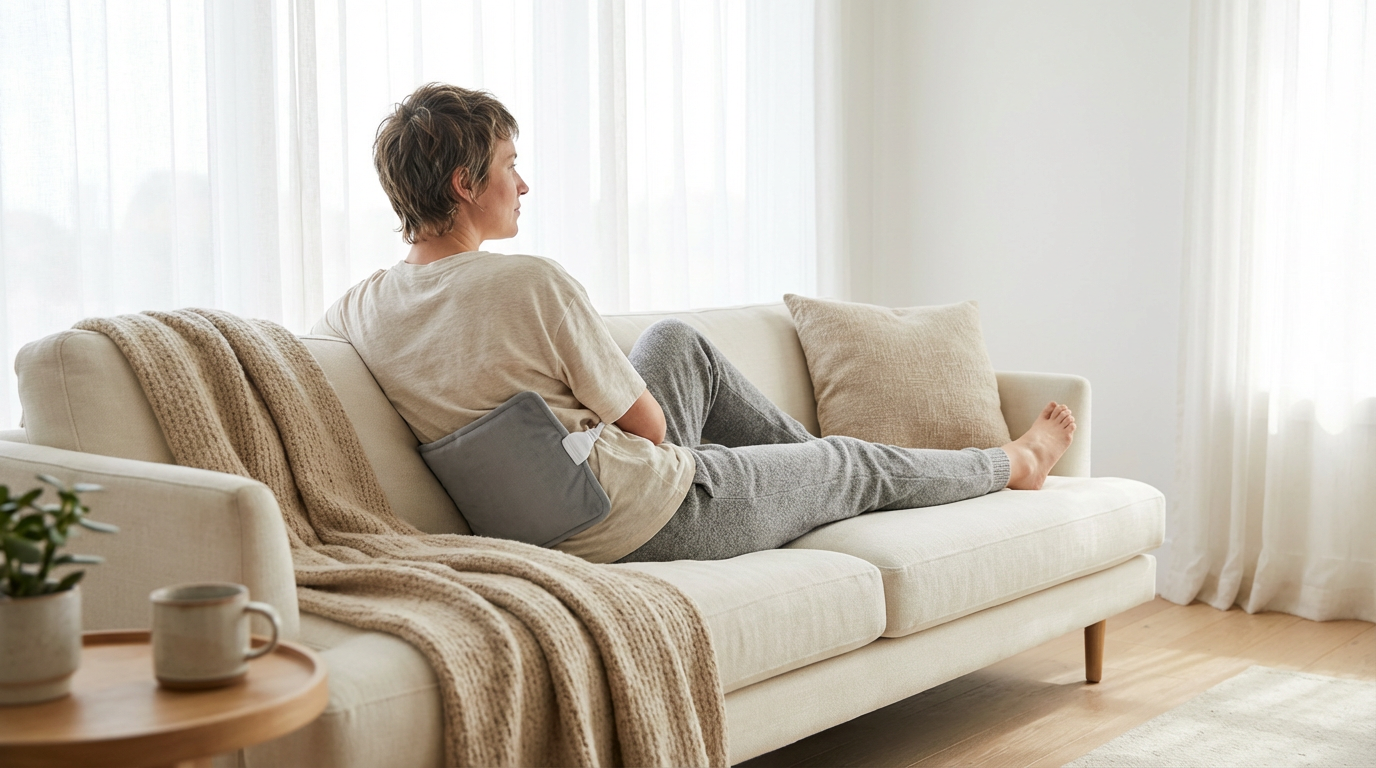
I know the feeling well: you’ve been hunched over your laptop for six hours, and when you finally stand up, your lower back seizes up. I’ve used heating pads for years to manage my own work-from-home stiffness, but I learned the hard way that not all pads are safe. When your back feels tight, a simple comfort routine at home can help you relax.
Many people use a heating pad for back pain as an easy, non-messy way to feel more comfortable—whether that means easing into the morning, winding down after work, or taking a short break from screen time.
Heat therapy isn’t just for back injuries; it is also one of the most effective ways to soothe body aches without fever caused by stress or fatigue.
In this guide, you’ll learn how to choose a heating pad for back pain based on fit, safety features, and where you plan to use it:
- What a heating pad can realistically help with (comfort and relaxation)
- How to use it more safely
- How to choose the right type for your upper or lower back
This is general wellness and consumer education—not medical advice.
Table of Contents
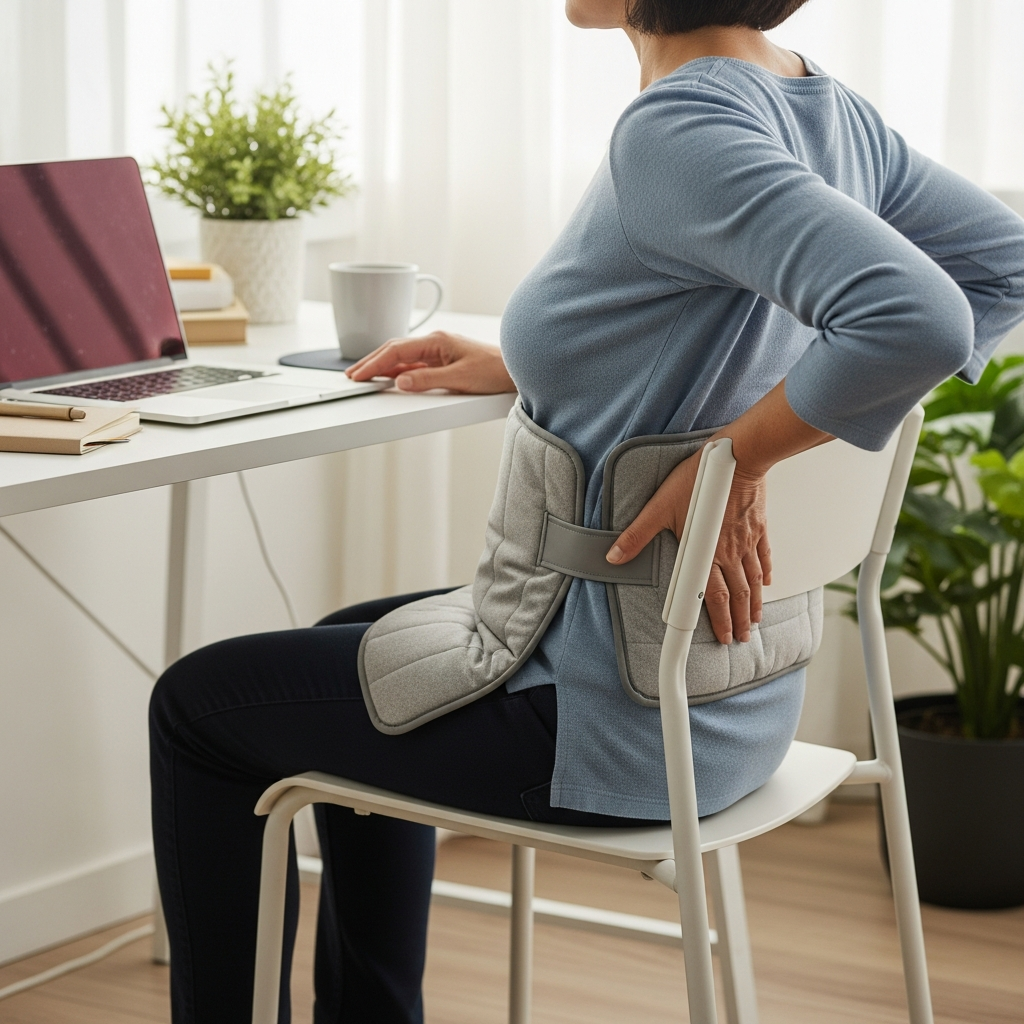
Heating Pad for Back Pain: Is It a Good Option for Comfort?
If you’re asking “is a heating pad good for back pain?”—for many people, yes, it can be a wonderful comfort item for everyday tightness and stiffness.
Heat is popular because it tends to feel:
- soothing (especially when you’re tense),
- relaxing (good for winding down),
- and easy to use at home.
Why warmth often feels good (simple explanation)
A heating pad doesn’t “fix” the cause of discomfort, but gentle warmth can support comfort by:
- helping muscles feel less tight,
- making it easier to settle into a relaxed position,
- and giving you a reason to take a short rest break, which many people find helpful on its own.
Some people also pair warmth with gentle movement to help their body unwind. Here’s a beginner-friendly somatic routine you can try at home: 5 Somatic Exercises to Calm Your Nervous System (10-Minute Routine).
For general background on heat and cold therapy, see this overview from a reputable source:
Cleveland Clinic
While heat is great for muscles, ensure your back pain isn’t a symptom of an internal issue. For example, specific internal conditions can cause discomfort—learn more in our guide: Can Kidney Stones Cause Constipation? 5 Essential Tips.
Good expectation-setting: Think of heat as temporary relief and relaxation, not a diagnosis or a cure.
Upper vs. Lower Back: Choosing the Right Relief
Not all heating pads fit the body the same way. Choosing the right style matters because a pad that works well on the lower back can slip off your shoulders—and a neck wrap may not cover the wider lower-back area.
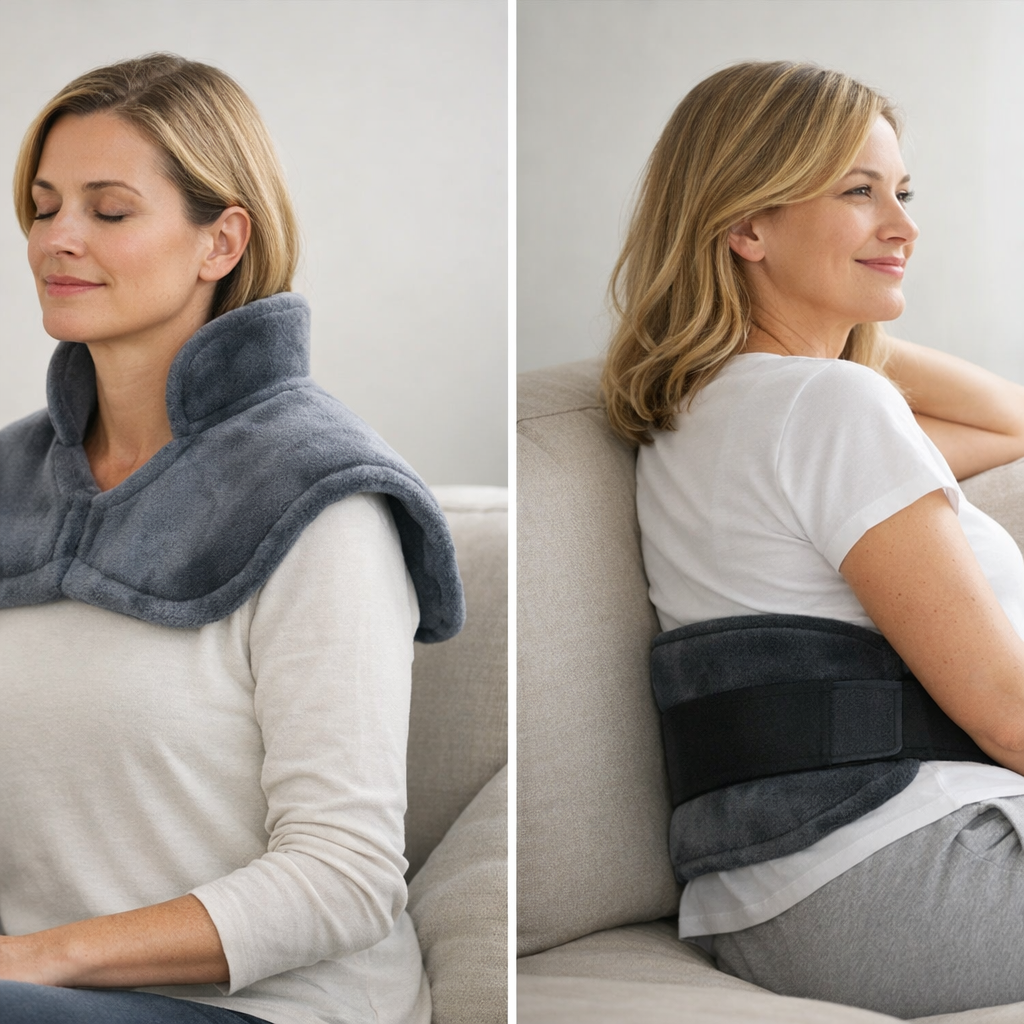
Below are comfort-first tips based on fit, coverage, and how people typically use these products.
Relief for lower back discomfort
If you’ve searched “is a heating pad good for lower back pain”, many people find warmth especially comforting here—mainly because the lower back is a broad area and often feels tight after sitting or physical chores.
What to look for in a lower-back heating pad:
- Large, flat pads for wider coverage
- Belt-style or wrap-around pads to keep heat in place while you shift positions
- Adjustable straps if you don’t want to constantly re-position the pad
Lifestyle example (safe): If you’re working from home, a wrap-style pad can feel more convenient than a flat pad that slides when you stand up.
Relief for upper back and neck tension
Upper back tightness often shows up between the shoulder blades or around the neck—especially after long screen time. A heating pad for upper back pain is usually easier to use when it’s shaped to drape over the shoulders.
What to look for in an upper-back/neck heating pad:
- Contoured neck-and-shoulder wraps (designed to stay put)
- Weighted heat wraps (some people find the gentle pressure extra comforting)
- Microwavable neck pillows for quick, portable warmth
How Long to Use a Heating Pad for Back Pain
The question “how long to use heating pad for back pain” comes up a lot, and the safest answer is: follow the instructions that come with your specific product, and keep sessions comfortable and moderate.
A practical, cautious starting point
Many heating pads (and general wellness resources) suggest short sessions with breaks, rather than long, continuous use, starting with a short session (often around 15–20 minutes), but your product instructions should be the main guide.
Safety basics that make a big difference
7 Safe Tips for Using a Heating Pad (Simple, Product-Safety Basics)
- Follow the manufacturer’s instructions first. Use the settings and timing recommended for your specific model.
- Start on a low setting. Increase only if it still feels comfortable and never “too hot.”
- Use a thin barrier. A t-shirt or light towel between the pad and your skin can help prevent irritation.
- Don’t sleep with active heat. If you might doze off, use a timed setting or avoid using it in bed.
- Keep the pad flat and uncovered. Avoid folding it tightly or piling heavy blankets on top unless the product guide says it’s safe.
- Check the cord and pad condition regularly. I once had an old electric heating pad that started developing a ‘hot spot’ in one corner. If you notice your pad heating unevenly, throw it out immediately—it’s a fire hazard.
- Unplug after use and store safely. Let it cool completely, then store it loosely (not tightly wrapped) to protect the wiring.
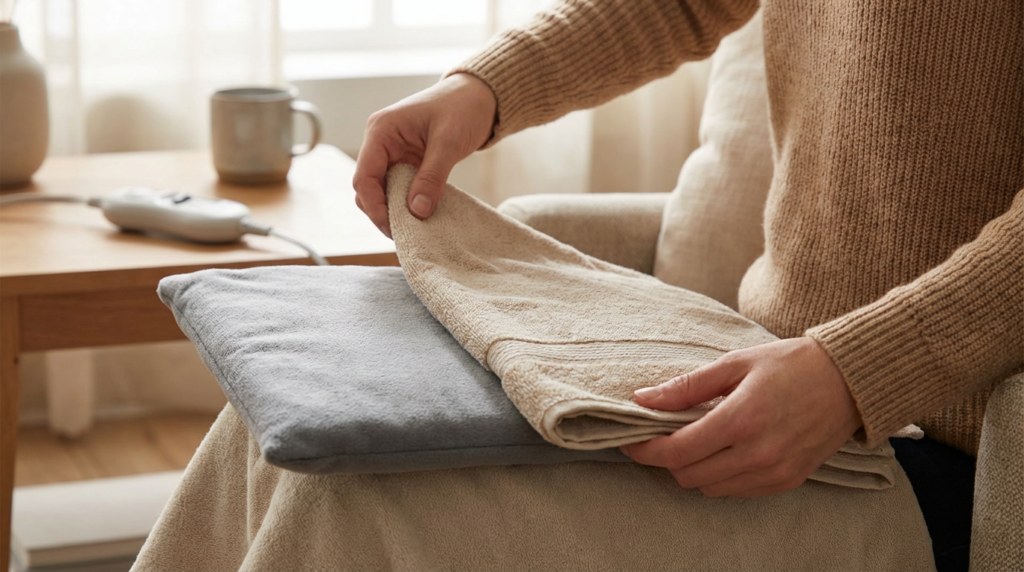
Keep it simple: You’re aiming for “pleasantly warm,” not “as hot as possible.”
Types of Heating Pads: Which One Should You Buy?
Shopping for heating pads for back pain can feel overwhelming because there are so many shapes and features. A good heating pad for back pain usually depends on where you want to use it (desk, couch, bed) and what feels easiest for you to keep in place.
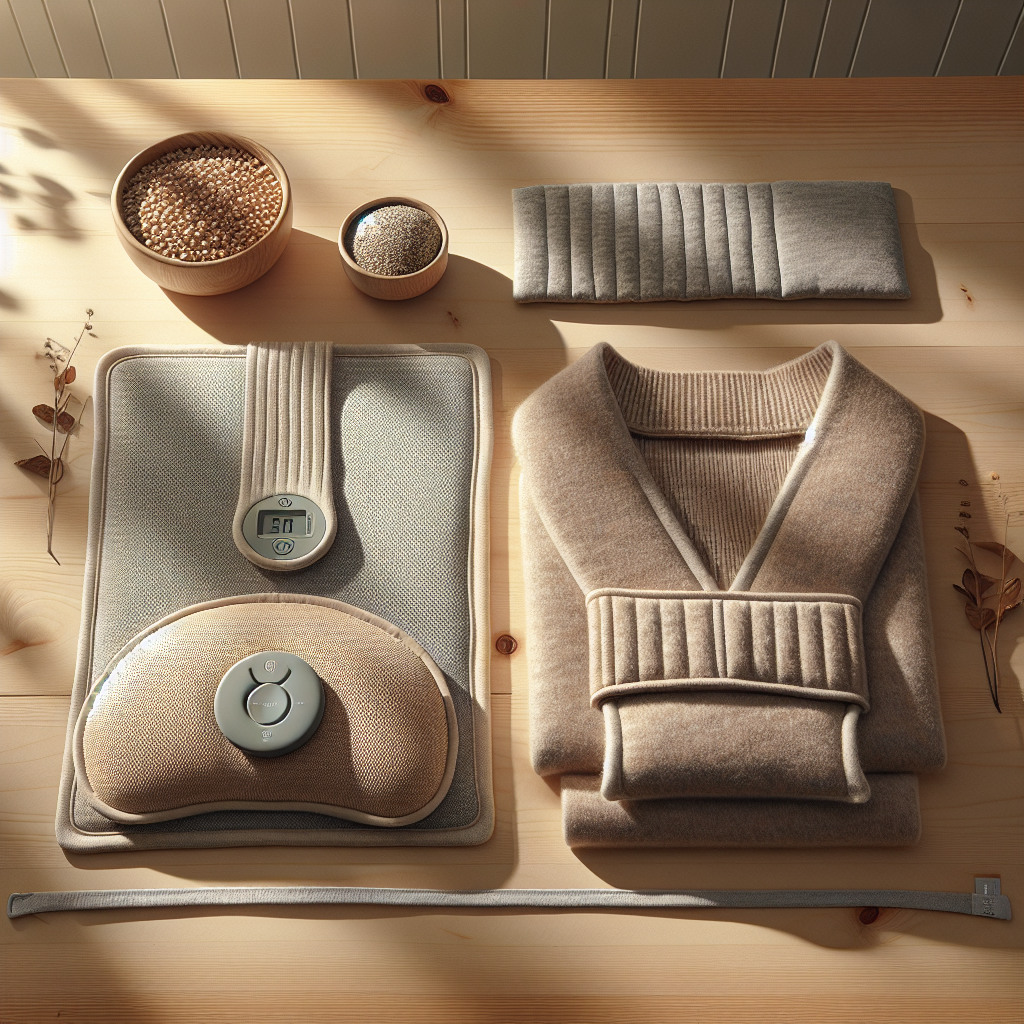
1) Electric heating pads
Why people like them:
- steady warmth (no reheating),
- adjustable settings (varies by model),
- often include auto shut-off (a helpful safety feature).
Things to consider:
- you’ll usually need to stay near an outlet,
- cord length and controller design can affect comfort.
2) Microwavable heat packs (rice/wheat/flax bags)
Why people like them:
- portable and cordless,
- often feel cozy due to gentle weight,
- naturally cool down over time.
Things to consider:
- heat fades as it cools,
- you’ll need microwave access.
3) Infrared heating pads
Why people consider them:
- some prefer the “feel” of this type of heat,
- often marketed as premium materials and build quality.
Things to consider:
- higher price,
- quality varies—look for clear instructions, safety features, and a good return policy.
Moist Heat vs. Dry Heat: What Is the Difference?
You may see “moist heat” in product descriptions. Here’s what it usually means in plain language:
- Dry heat: the standard warmth from many electric pads
- Moist heat: warmth with added humidity (depending on the product design)
Why some people prefer moist heat
Some people find moist heat feels:
- less drying on the skin,
- more soothing for tight areas.
Important safety note: Only use moisture if your heating pad’s instructions say it’s safe. Don’t wet an electric pad unless the manufacturer specifically allows it.
Frequently Asked Questions
Is it better to use ice or heat for back pain?
It depends on what your back feels like. Many people choose heat for stiffness and cold for fresh soreness. When unsure, pick the option that feels gentle—or ask a qualified professional.
Can I sleep with a heating pad on my back?
Usually, no. Falling asleep can increase the risk of skin irritation or burns. If you might drift off, follow your product’s safety guidance and consider options designed for safer timed use.
Does heat help inflammation on the back?
Heat is mainly used for comfort and relaxation. If the area feels newly irritated or puffy, some people prefer cold. If symptoms feel persistent or worrying, it’s worth getting personalized advice.
How many times a day should you use a heating pad?
There’s no single rule. Many people stick to short sessions with breaks, and follow the product instructions. If your skin gets red or irritated, use less heat or stop.
Is a heating pad okay to use during pregnancy?
If you’re pregnant, it’s safest to check with your prenatal care provider before using heating products, since personal guidance matters here.

Conclusion
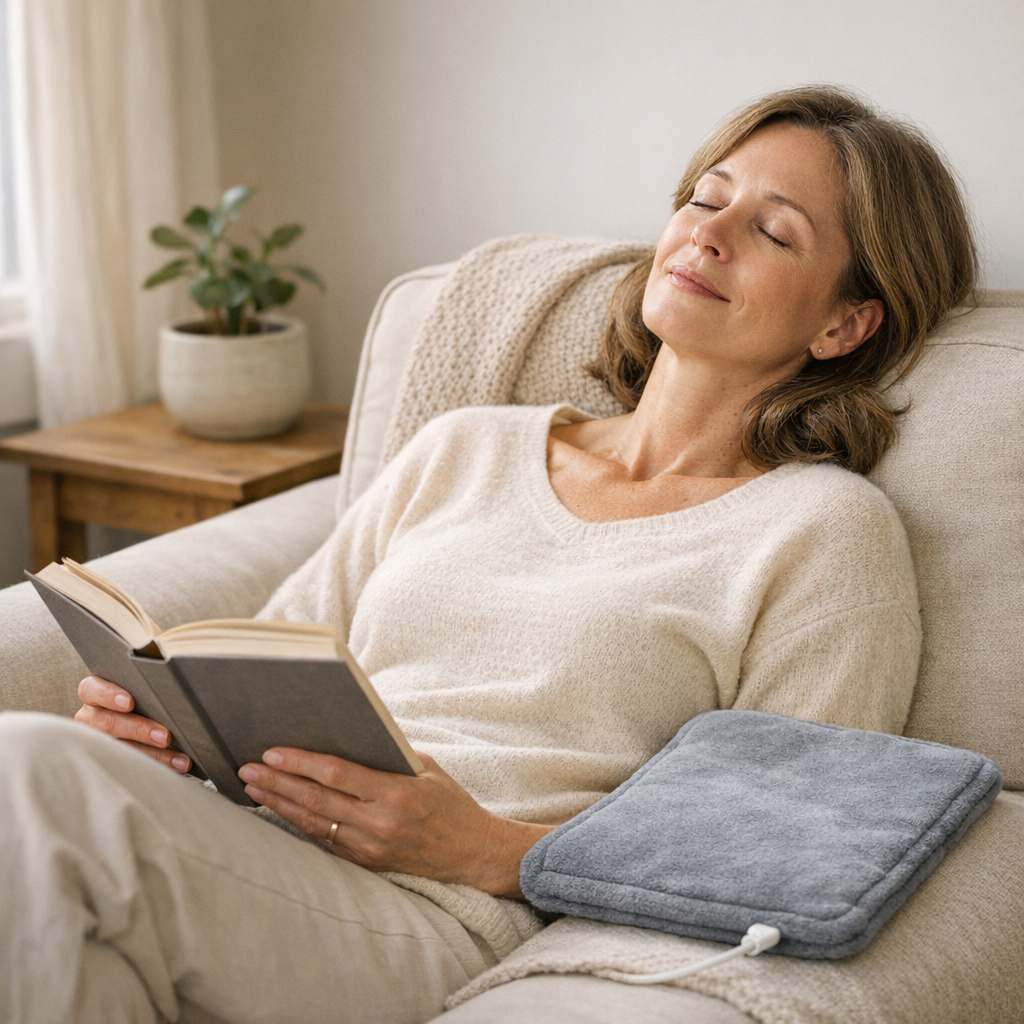
A heating pad for back pain can be a simple, affordable way to add comfort to your day—especially when your back feels tight from sitting, stress, or normal activity. The biggest “wins” usually come from choosing a pad that fits the area you want to target, using it in short, comfortable sessions, and prioritizing safety features like auto shut-off.
Used thoughtfully, heat can be part of a relaxing routine—alongside stretching you already know feels good, a screen break, or a few quiet minutes to reset.
This article is for general information and product guidance only. It isn’t medical advice. If discomfort is severe, unusual, or not improving, consider getting personalized guidance from a qualified professional.
Author Note
This article was prepared using publicly available information from reputable health and nutrition organizations (linked above). It is written for general wellness awareness and is not meant to replace individualized guidance from a qualified professional.
Stay Connected
Stay informed with practical, source-linked wellness content.
If you found this article helpful, consider bookmarking hwvibes.com or subscribing to our updates for easy-to-understand wellness guides, habits, and public-health awareness posts.
Sharing reliable information helps reduce confusion—feel free to share this article with a friend who might benefit.
About the Author – Mohammad Faisal Khan
Mohammad Faisal Khan is the founder and chief editor of Health & Wellness (hwvibes.com), a platform focused on creating well-researched, easy-to-understand health and wellness content for everyday readers.
While not a medical professional, he summarizes publicly available guidance from reputable organizations (such as Harvard’s nutrition resources, the CDC, WHO, and other health education sources) and links to official references where possible. His goal is to help readers understand wellness topics clearly and responsibly—without offering medical advice.
For inquiries, collaborations, or feedback, reach out at: contact@hwvibes.com