
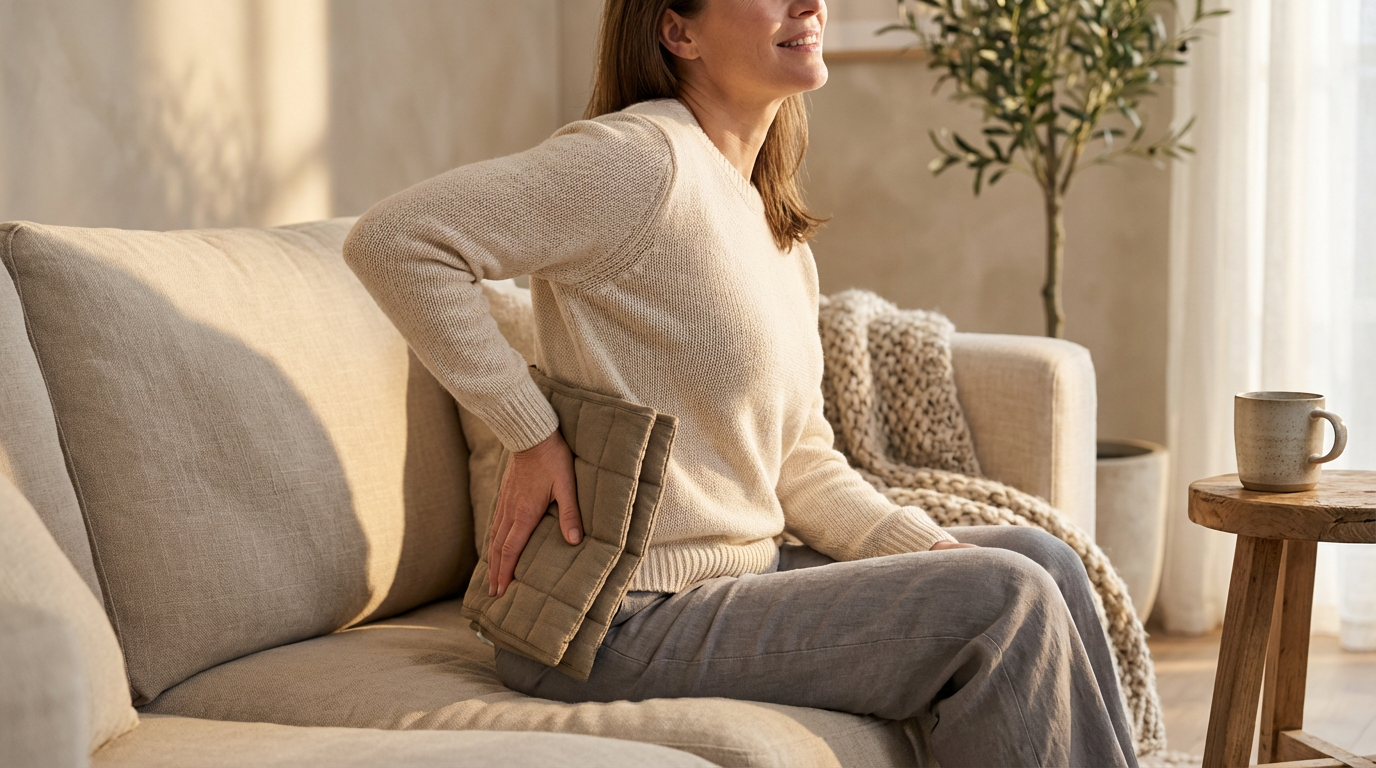
Kidney stone discomfort can range from a dull ache to intense waves of pain. When you’re stuck in that uncomfortable waiting game, it’s normal to look for simple at-home comfort tools. If you’ve been asking, does a heating pad help with kidney stones, the most accurate answer is: it may provide temporary comfort for some people, but it does not treat or dissolve the stone itself.
This article explains how heat therapy works, what it may help with, where its limits are, and a few gentle habits people often use alongside it.
Table of Contents
How Does Heat Therapy Work for Discomfort?
Heat therapy is a classic comfort method used for many types of aches. Even when the source of discomfort is internal, warmth on the outside may still feel helpful because it can affect nearby muscles.
When you apply warmth to a sore area, a few things may happen:

- Muscle relaxation: Discomfort can make your back and side muscles tighten without you noticing. Heat may help those muscles loosen.
- Increased blood flow: Warmth can encourage circulation in the area, which some people find soothing.
- A calming sensation: Heat can feel comforting and may help you relax when you’re tense.
The Cleveland Clinic explains that heat therapy is commonly used for muscle aches and cramps. Since kidney stone discomfort often comes with muscle tightness in the back and flank area, warmth can add a helpful layer of comfort for some people.
If you’re wondering, does a heating pad help with kidney stones, it may help most with the muscle tightness that can happen around the sore area.
Does a Heating Pad Help With Kidney Stones Directly?
It helps to be clear about expectations: a heating pad does not dissolve, shrink, or remove kidney stones. Think of it as a comfort tool—more like a warm blanket than a fix.
Still, many readers ask, will a heating pad help with kidney stones when it comes to getting through the day. Here’s what may be true for some people:
- Heat may relax tight muscles in the flank area (sides and lower back).
- Warmth can make the waiting period feel more manageable, especially with rest and hydration.
- Heat does not speed up stone passage or change the stone itself.
For general background, the National Kidney Foundation notes that some stones pass with time and supportive care. A heating pad fits best in the “comfort while waiting” category.
Potential Benefits of Using a Heating Pad
Heat therapy isn’t a cure, but it may offer a few practical benefits that can make an uncomfortable situation feel a bit easier.
Muscle Tension Relief
When you’re in pain, your body often “braces,” tightening muscles around your back, sides, and abdomen. That extra tension can add to discomfort. A heating pad may help those muscles soften and relax.
Non-Invasive Comfort
A heating pad is easy to use at home and doesn’t require special equipment. Used carefully, it’s a low-effort comfort option.
Easy to Pair With Other Comfort Habits
Many people use heat alongside simple, non-clinical habits like:
- Sipping water regularly (especially if you haven’t had much to drink)
- Resting in a supportive position (pillows can help reduce strain)
- Gentle movement (only if it feels okay)
May Support Relaxation
Warmth can feel calming. When your body is tense and stressed, that calming effect alone can be valuable.
Limitations: What a Heating Pad Cannot Do
Heat can be helpful for comfort, but it’s not a solution for everything. Here’s a simple breakdown:
| What heat may do | What heat cannot do |
|---|---|
| Relax tense back/flank muscles | Dissolve or break up stones |
| Provide temporary soothing | Shrink the stone |
| Feel comforting at home | Guarantee faster passing |
| Support relaxation | Replace medical evaluation when symptoms are severe |
If your symptoms feel intense, unusual, or quickly worsening, a heating pad isn’t a substitute for professional guidance.
Does Heating Pad Help Kidney Infection?
This question comes up often because kidney discomfort can have different causes. Kidney infections can be serious and usually need prompt medical attention. A heating pad might feel soothing on sore muscles, but it should not be relied on as a way to handle a suspected infection.
If you suspect an infection, it’s best to seek medical guidance. For general awareness, Mayo Clinic’s overview of kidney infection symptoms and causes is here: Mayo Clinic.
Does Walking Help Kidney Stone Pain?
Many people also wonder if movement helps. Does walking help kidney stone pain? It may help some people feel a bit better, especially if they’ve been still for a long time.

Possible reasons gentle walking may feel helpful:
- Less stiffness: Lying down for hours can make your back feel tighter.
- A mental reset: A slow pace can be distracting and calming.
- Body rhythm: Some people feel better alternating rest with short, gentle movement.
Some people also notice digestive changes—like constipation—during periods of pain, stress, or reduced movement. If that’s something you’re dealing with too, you may find this helpful: Can Kidney Stones Cause Constipation?
If walking makes you feel worse, it’s okay to rest. Comfort strategies should feel supportive, not forced.
For general education on kidney stones, the Urology Care Foundation is a helpful resource.
How to Use a Heating Pad Safely
For anyone asking, does a heating pad help with kidney stones, using heat safely matters just as much as the heat itself.
If you decide to try heat for comfort, skin safety matters. A few simple guidelines can help reduce irritation or burns:
Temperature
- Start with low to medium heat. Higher heat isn’t always better.
Time
- Use short sessions, then take breaks so your skin can cool down.
- Avoid falling asleep with the heating pad on.
Skin Protection
- Use a thin cloth or clothing layer between the heating pad and your skin.
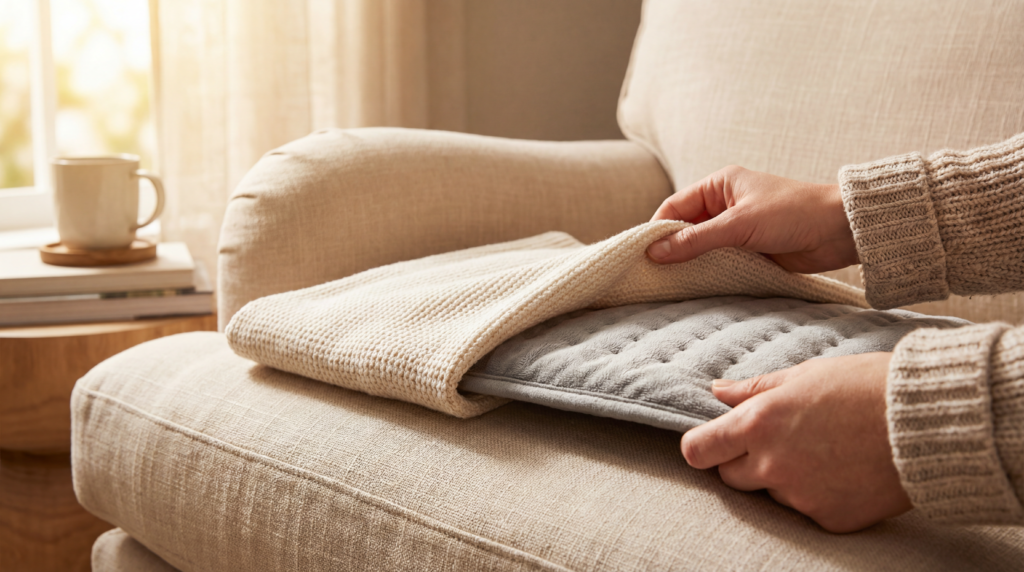
Placement
- Place the pad where you feel the most muscle tension (often lower back or side).
- Move it if one spot starts to feel too hot.
When to stop
- Stop if you notice redness, irritation, numbness, or if discomfort feels worse.
For a deeper, general guide to heat use, see: Heating Pad for Back Pain Guide
When to Seek Medical Attention
This article is not a diagnosis tool. Still, it’s reasonable to get medical help if you notice red flags or if something feels “not right” for you.
Consider seeking medical guidance if you experience:
- Pain that feels severe or keeps getting worse
- Fever/chills, repeated vomiting, or feeling very unwell
- Trouble urinating or a big change in urination
- Blood in urine
- Symptoms that last longer than expected or feel unusual for you
When in doubt, it’s okay to ask a healthcare professional what to do next.
The 5 easy, safe heating pad tips (quick recap)
A heating pad may feel soothing for tight muscles, but it’s best used as a comfort tool, not a fix. Here are five simple reminders to keep heat use gentle and skin-safe:
- Use low to medium heat. Higher heat isn’t always better and can irritate skin faster.
- Keep sessions short and take breaks. A few minutes at a time, then a pause, often feels better than leaving heat on continuously.
- Use a cloth barrier. Place a thin towel or a layer of clothing between the heating pad and your skin.
- Place it where muscles feel tight. Many people aim for the lower back or flank area (side of the lower back), over clothing.
- Stop if your skin feels irritated or you feel worse. If you notice redness, numbness, or increased discomfort, it’s a good cue to pause heat and consider getting guidance if needed.
Frequently Asked Questions
How can I speed up passing a kidney stone?
There’s no guaranteed way to speed up the process. Many people focus on hydration, rest, and gentle movement if comfortable. The timeline can vary a lot from person to person.
Do kidney stones respond to heat?
Heat doesn’t change the stone itself. However, warmth may help relax nearby muscles, which can feel soothing.
Will a heating pad help with kidney stones at night?
It may feel comforting before bed, but it’s safer to avoid sleeping with a heating pad on. Short sessions while you’re awake tend to be a safer choice.
Does heating pad help kidney infection?
A heating pad may feel soothing on sore muscles, but a suspected kidney infection should be taken seriously and checked by a healthcare professional.
Does walking help kidney stone pain?
Gentle walking may help some people feel less stiff and more comfortable, but rest is also fine. Choose what feels best for your body.
Does a heating pad help with kidney stones?
Heat doesn’t change the stone, but it may ease muscle tension and feel soothing while you rest.
Conclusion
So, does a heating pad help with kidney stones? It may help with comfort by relaxing tense muscles and adding a soothing sensation—especially during a stressful waiting period. At the same time, it’s important to keep expectations realistic: heat doesn’t dissolve stones or guarantee faster passing.
If you’re dealing with kidney stone discomfort, gentle habits like hydration, rest, and careful heat use can support comfort. Balance is key, and it’s always okay to seek guidance if symptoms feel intense or unusual.
This article is for general information and product guidance only. It isn’t medical advice. If discomfort is severe, unusual, or not improving, consider getting personalized guidance from a qualified professional.
Author Note
This article was prepared using publicly available information from reputable health and nutrition organizations (linked above). It is written for general wellness awareness and is not meant to replace individualized guidance from a qualified professional.
Stay Connected
Stay informed with practical, source-linked wellness content.
If you found this article helpful, consider bookmarking hwvibes.com or subscribing to our updates for easy-to-understand wellness guides, habits, and public-health awareness posts.
Sharing reliable information helps reduce confusion—feel free to share this article with a friend who might benefit.
About the Author – Mohammad Faisal Khan
Mohammad Faisal Khan is the founder and chief editor of Health & Wellness (hwvibes.com), a platform focused on creating well-researched, easy-to-understand health and wellness content for everyday readers.
While not a medical professional, he summarizes publicly available guidance from reputable organizations (such as public health and university health education resources, and other health education sources) and links to official references where possible. His goal is to help readers understand wellness topics clearly and responsibly—without offering medical advice.
For inquiries, collaborations, or feedback, reach out at: contact@hwvibes.com