
If you enjoy a morning coffee or an afternoon tea, you might be curious about caffeine and kidney stones. That question comes up a lot because caffeine shows up in many everyday drinks—and what you sip all day can affect how well you stay hydrated.
Kidney stones are small, hard deposits that can form when certain minerals and salts clump together in the urinary system. Many everyday factors can influence risk, including how much you drink, how often you drink water, and the types of beverages you reach for most.
So, does caffeine cause kidney stones? For many people, caffeine isn’t the main driver by itself—your overall hydration and drink habits usually matter more. Caffeine can affect the body in a few ways, but the day-to-day pattern is often what counts—like whether coffee, tea, or energy drinks are taking the place of water, and whether they come with a lot of sugar or add-ins.
For example, a small black coffee is a very different habit than a large flavored latte or bottled coffee drink that’s loaded with sugar—especially if it replaces water for most of the day.
In this article, we’ll look at what research suggests about coffee, tea (including matcha), kombucha, energy drinks, and pre-workout—then turn it into simple, real-world takeaways you can actually use. If you want the quick version first, start with the 7 facts below, then use the table of contents to jump to the drink you care about most.
Table of Contents
Caffeine and Kidney Stones: 7 Quick Facts
- 1) Caffeine alone isn’t usually the main issue. When people search “caffeine and kidney stones,” the bigger concern is often overall hydration and drink choices (like sugary add-ins), not a moderate amount of caffeine by itself.
- 2) Hydration matters most. Kidney stones are often associated with concentrated urine, which can happen when you don’t drink enough fluids—especially in hot weather or during workouts.
- 3) Coffee can still “count” as fluid. For many regular coffee drinkers, the water in coffee helps with daily fluid intake, even though caffeine has a mild diuretic effect.
- 4) Tea depends on the type. Black tea tends to be higher in oxalates than green tea. If you drink a lot of tea, choosing different types and balancing with water may help.
- 5) Matcha is more concentrated than steeped green tea. Because matcha uses the whole tea leaf, it may come with more oxalates than a standard cup of green tea—so it’s best enjoyed as part of a varied routine, not all day long.
- 6) Kombucha varies by brand. Kombucha may contain caffeine (from tea) and may include added sugar. If you drink it often, checking the label and keeping water as your main drink can support better balance.
- 7) Energy drinks and pre-workout can make hydration harder. They’re often higher in caffeine and sugar, and people tend to use them around workouts—when fluid needs can be higher. If they replace water, that pattern may be less supportive for kidney stone prevention.
How Caffeine Affects Your Kidneys
This is the foundation for understanding the relationship between caffeine and kidney stones—because hydration habits often matter as much as the drink itself.
Caffeine is a natural stimulant found in coffee beans, tea leaves, cacao, and many packaged drinks. After you consume it, your body processes it and your kidneys help filter it out.
Researchers look at a few ways caffeine might affect stone risk—mainly through hydration and how certain minerals behave in urine.
Caffeine as a Diuretic — Does It Dehydrate You?
Caffeine can have a mild diuretic effect, meaning it may increase how often you urinate—especially if you don’t consume caffeine regularly.
For many people who drink coffee or tea often, the body tends to adapt. A study in PLOS ONE found that moderate coffee intake did not meaningfully harm hydration in regular coffee drinkers.
Bottom line: Caffeinated drinks still contain fluid. For many people, they can contribute to daily hydration—but they tend to work best when they’re part of the day, not the only thing you drink instead of water.
Caffeine and Calcium Oxalate Stones
The most common stones are calcium oxalate stones, as explained by the National Kidney Foundation. Oxalate is a natural compound found in many plant foods and drinks (including some teas).
Some research suggests caffeine may slightly affect how the body handles calcium in urine. But kidney stone formation depends on many factors—especially overall fluid intake and diet patterns. That’s why the relationship between caffeine and kidney stones can look different from person to person.
Caffeine and Uric Acid Stones
Uric acid stones relate to urine acidity and other lifestyle factors. Some studies have observed links between coffee intake and uric acid patterns, but these findings don’t prove cause and effect. It’s best to treat this as an “area of ongoing research,” not a reason to panic about caffeine.
Does Coffee Cause Kidney Stones?
Coffee is one of the most researched caffeinated drinks. Overall, many studies do not show coffee as a major driver of kidney stones for most people. One reason may be simple: coffee contributes fluid.
A large study (often cited in kidney stone research) found a lower stone risk among coffee drinkers in certain populations (ScienceDirect). This doesn’t mean coffee “prevents” stones—just that coffee itself isn’t automatically a problem.
Black Coffee vs. Coffee with Cream and Sugar
- Black coffee: Mostly water + coffee compounds. For many people, it’s a reasonable choice in moderation.
- Sweetened coffee drinks: Added sugars and syrups may be more of a concern than caffeine. High sugar intake is often considered a factor in kidney stone health by organizations like the National Kidney Foundation.
Quick example: if your “coffee” is really a sweetened drink you sip over hours, it may act more like a dessert beverage than a simple cup of coffee.
Simple swap idea: If you love flavored coffee, consider gradually reducing syrup pumps or choosing less-sweet options more often.
Is Decaf Coffee Better for Kidney Stones?
Decaf coffee has much less caffeine, but it still provides fluid. If caffeine affects your sleep, anxiety, or stomach, decaf can be a helpful option for comfort and balance. From a kidney stone perspective, decaf is generally viewed as a reasonable beverage choice for most people.
How Much Coffee Is “Too Much”?
Instead of focusing on exact numbers, a safer wellness approach is to watch for signs your routine may be off-balance:
- coffee replacing water all day
- frequent headaches when you miss coffee (possible dependence)
- sleep problems
- relying on sugary coffee drinks daily
If any of those sound familiar, scaling back gently and adding more water can be a practical reset.
Does Tea Cause Kidney Stones?
Tea is a little more complicated than coffee because tea can vary in oxalate content, depending on the type.
Oxalates are naturally present in many plant foods and drinks. For some people, a high-oxalate pattern (especially with low water intake) may be linked to higher stone risk.
Green Tea vs. Black Tea vs. Sweet Tea
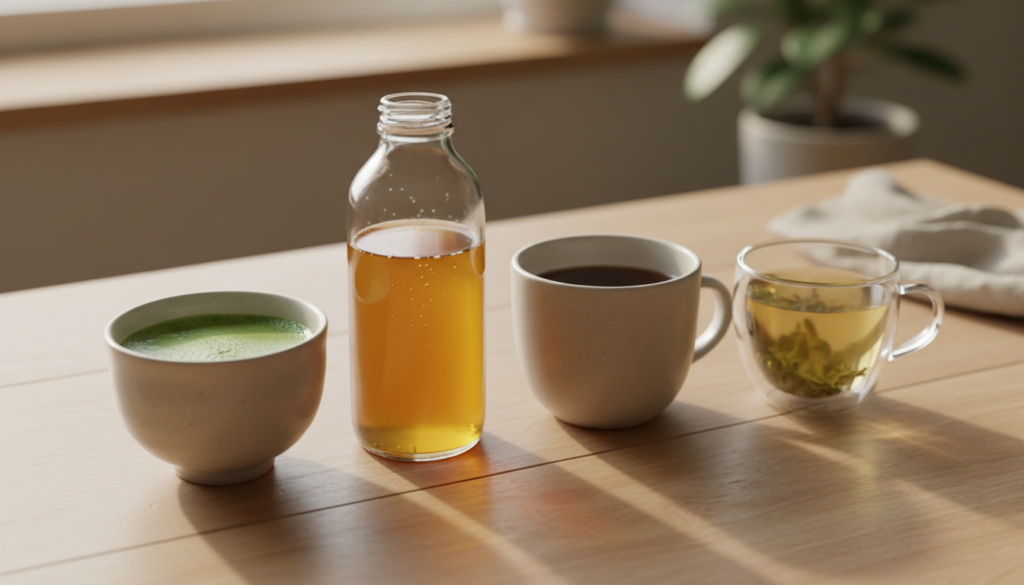
- Black tea: Often higher in oxalates than green tea. Moderate intake may be fine for many people, but very large amounts could be less ideal for those who are sensitive to oxalates.
- Green tea: Generally lower in oxalates than black tea, and it contains antioxidants. Some research explores possible protective effects, though it’s not a guarantee (PubMed).
- Sweet tea: Combines black tea (oxalates) with added sugar. This combination may be less supportive of kidney stone prevention.
What About Matcha?
Matcha is made from ground green tea leaves, so you consume more of the leaf than you do with steeped green tea. That may mean more oxalates per serving compared to regular green tea.
For most people, matcha in a normal routine is likely fine—what matters more is whether it replaces water all day.
Does Iced Tea Cause Kidney Stones?
Iced tea made from black tea has similar oxalates to hot black tea. Some experts have raised concerns about very heavy iced tea habits for people who are prone to stones—especially when it’s sweetened and replaces water. This link is a news summary of an expert quote (not a clinical trial): (FoodNavigator).
Try this: Alternate iced tea with water, try unsweetened versions, or switch to herbal iced teas.
Trending Teas: Kombucha and Chai
- Kombucha: A fermented tea that may contain a small amount of caffeine and (depending on the base tea) some oxalates. There’s limited direct research on kombucha and kidney stones. Moderate intake is generally considered reasonable for many people—especially if it’s not very sugary.
- Chai: Usually made with black tea and often milk. Milk adds calcium, which can bind with oxalate in the digestive tract—this is one reason dairy foods are not automatically “bad” for calcium oxalate stones.
Do Energy Drinks Cause Kidney Stones?
Energy drinks differ from coffee and tea because they often combine:
- concentrated caffeine
- added sugar (or intense sweeteners)
- other stimulants and additives
This mix can make energy drinks a weaker choice for hydration—especially if they replace water or you use them around exercise without also drinking enough fluids.
In real life, an occasional energy drink is rarely the sole reason someone develops stones, but a daily habit—especially a sugary one—may be less supportive of stone-prevention habits over time for some people.
The Fitness Angle: Pre-Workout Supplements
Pre-workout products can be very concentrated, and people often take them before intense sweating. The concern here is less about “pre-workout = stones” and more about the pattern:
high stimulant intake + heavy sweating + not enough water can lead to more concentrated urine, which is commonly associated with stone formation.
Think of pre-workout like coffee: use it thoughtfully, and make hydration part of the routine.
What Are the Worst Drinks for Kidney Stones?
Some drinks are more often linked with kidney stone risk because they’re high in sugar and can crowd out water in your routine. No drink guarantees a stone—but patterns matter.
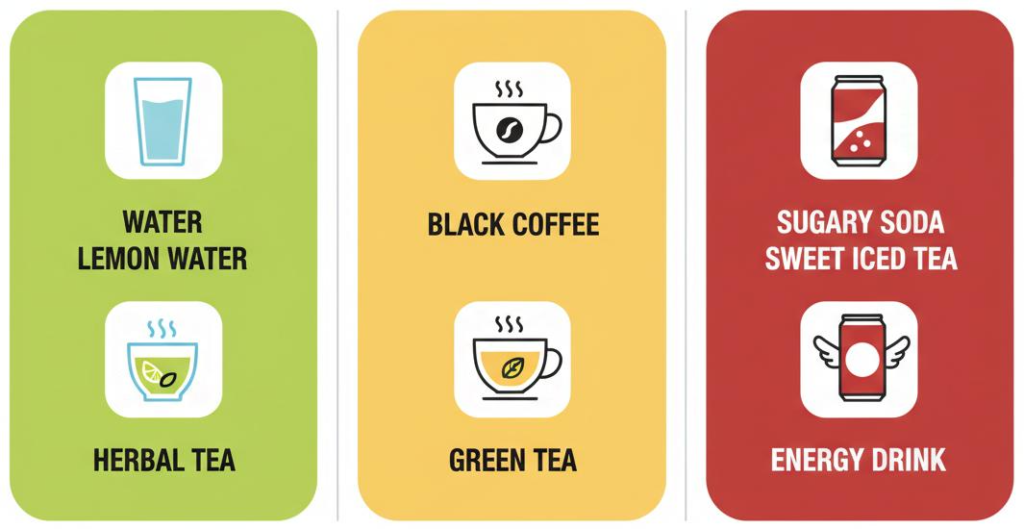
When people worry about caffeine and kidney stones, the bigger issue is often sugary, low-hydration drinks—not a moderate cup of coffee or tea.
| Drink | Why it may be less supportive |
|---|---|
| Sugary cola | Cola is often discussed in stone research, especially when it’s sugary and replaces water |
| Sweetened iced tea | Oxalates (black tea) + added sugar |
| Sugary energy drinks | Sugar + stimulant load; may replace water |
| Fruit punch | Often high added sugar, low nutrition |
| Excess alcohol | Can contribute to dehydration |
Since sugar shows up in many coffees, teas, sodas, and energy drinks, you may find this helpful: how long does sugar stay in your body?
What Are the Best Drinks for Kidney Stones?
Water is often recommended to support hydration habits linked with kidney stone prevention because it dilutes urine and supports regular flushing.
Other drinks that may help support healthy habits:
- Lemon water: Lemon contains citrate, which is often discussed as supportive in stone-prevention diets (NIH article on citrate).
- Orange juice: Contains citrate too, but it also contains natural sugars—so moderation can matter.
- Coconut water (unsweetened): A hydrating alternative some people enjoy.
- Herbal teas: Usually caffeine-free and can add variety without sugar.
- Plain sparkling water: Generally fine if it’s unsweetened and not high in sodium.
If you’re looking for a simple, non-coffee drink idea for the afternoon, you might like this adrenal cocktail recipe (it’s a citrus-and-electrolyte-style drink with easy variations).
What Dissolves Kidney Stones Fast?
There isn’t a reliable “fast dissolve” drink for kidney stones you can count on at home. Some small stones may pass naturally, while others need medical care—often depending on the stone type and what symptoms you’re having.
A more realistic wellness goal is to support the body with hydration and balanced choices—especially if you’re focused on prevention.
What Foods Help Dissolve Kidney Stones Fast?
No food can guarantee fast stone dissolving. However, foods and drinks that provide citrate (like citrus fruits) are often included in stone-prevention eating patterns. Citrate is often described as helpful because it may make it harder for some crystals to stick together.
Home Remedies vs. Myths
- Apple cider vinegar: Popular online, but strong evidence for dissolving stones in the body is limited. If you enjoy it, use it cautiously and avoid extremes.
- Coca-Cola: The idea that cola dissolves stones is a myth. Sugary soda is more often discussed as a risk factor than a solution.
Is Caffeine Bad for Existing Kidney Stones?
If you’ve had stones before, it’s normal to worry about caffeine. Many people can still enjoy coffee or tea in moderation, especially when they also drink plenty of water.
Can Caffeine Help Pass Kidney Stones?
There’s no strong evidence that caffeine specifically helps a stone pass. If caffeine makes you feel dehydrated or jittery, that may work against comfort. For most people, plain water remains the simplest hydration choice.
Should You Quit Caffeine?
Not always. If your caffeine comes mainly from black coffee or unsweetened tea, your focus may be better placed on:
- drinking more water overall
- limiting sugary drinks
- not relying on energy drinks as a daily habit
For more general guidance on heat therapy, see our heating pad for back pain safety tips.
What Is the Number One Cause of Kidney Stones?
Not drinking enough fluid is one of the most common factors associated with kidney stones. When urine is concentrated, crystals can form more easily.
Other common kidney stone risk factors include:
- high sodium intake
- high added sugar intake
- low overall hydration habits
- certain dietary patterns (varies by person)
- family history (NIDDK overview)
What Are the First Signs of Kidney Stones?
Possible signs can include strong pain in the side or back, changes in urination, nausea, or blood in urine. Symptoms vary, and other issues can feel similar. If pain is severe, you have fever, can’t keep fluids down, or you’re worried, contact a healthcare professional.
Some people also notice digestive changes during kidney stone episodes—here’s more on that topic: can kidney stones cause constipation?
If you’re also looking for simple comfort options, read: does a heating pad help with kidney stones?
Kidney Stone Prevention: Everyday Dietary Habits
These habits are general, lifestyle-focused ideas that may support kidney health. They’re not a personal medical plan.
1. Hydration: The “Lemonade Test”
A simple hydration check many people use is urine color:
- pale yellow can suggest you’re well-hydrated
- dark yellow can suggest you may need more fluids
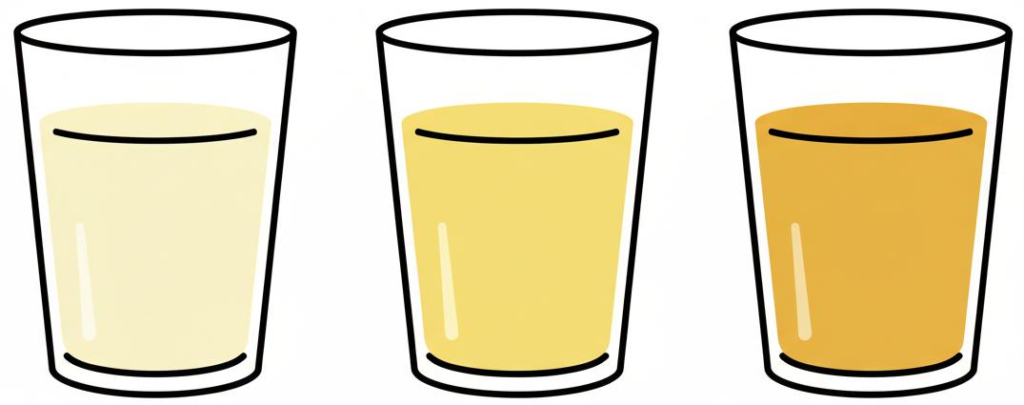
This isn’t perfect (some vitamins change urine color), but it’s a helpful everyday cue.
2. The Calcium “Buddy System”
A common myth is: “If stones contain calcium, avoid calcium.” But dietary calcium is not automatically the enemy.
Think of calcium and oxalate like buddies: when you eat them together, they can bind in the gut and may be less likely to reach the kidneys. This is one reason many stone-prevention resources encourage getting calcium from foods rather than avoiding it completely.
3. Watch the Salt and Sugar
High sodium and added sugars are often linked with dietary patterns that may raise stone risk. You don’t have to cut them perfectly—just aim for gradual improvements like:
- cooking at home more often
- choosing less-sweet drinks
- reading labels on “healthy” beverages
Frequently Asked Questions (FAQ)
Does caffeine cause kidney stones?
For most people, caffeine by itself isn’t seen as a direct cause of kidney stones. Risk is more often tied to hydration habits and what comes with the caffeine (like sugar), especially if coffee, tea, or energy drinks replace water. Moderate coffee or tea can still contribute to your daily fluids.
What are the worst drinks for kidney stones?
Sugary cola, sweet tea, and sugary energy drinks are usually the drinks people try to limit first. The main issue is often the sugar and the fact that these drinks can push water out of your routine, leading to more concentrated urine. One drink doesn’t “cause” a stone, but a daily pattern may raise risk for some people.
What are the best drinks for kidney stones?
Water is the top choice. Lemon water and other citrus-based drinks may also help support prevention habits because they contain citrate. Unsweetened herbal teas and plain sparkling water can add variety without added sugar.
Does coffee count as water intake for kidney stones?
Yes—coffee still counts toward fluid intake for many people. While caffeine can slightly increase urination (especially if you’re not used to it), coffee is mostly water. It tends to fit best when it’s not the only drink you rely on all day and you still get regular plain water.
Does matcha or kombucha cause kidney stones?
Not necessarily. Matcha may be more concentrated in tea compounds (including oxalates) than regular green tea, and kombucha can contain caffeine and sugar depending on the brand. Enjoying them in moderation and keeping water as your main drink is a balanced approach.
Related reading:
- Does a heating pad help with kidney stones?
- Can kidney stones cause constipation?
- How long does sugar stay in your body?
Disclaimer
This article is for general education and wellness awareness only. It does not diagnose, treat, or replace medical advice. If you think you may have a kidney stone or you have ongoing symptoms, it’s best to contact a qualified healthcare professional.
Conclusion: A Practical, Balanced Take
The main takeaway on caffeine and kidney stones is balance: stay hydrated, watch added sugar, and don’t let caffeinated drinks replace water all day.
The link between caffeine and kidney stones depends on the whole routine—what you drink, how much water you get, and how sweet those drinks are. For many people, moderate caffeine from coffee or tea isn’t the main issue—hydration habits and high-sugar drinks tend to matter more.
If you want an easy way to apply this without overthinking it:
- keep water as your “default” drink
- enjoy coffee/tea without turning them into dessert
- treat energy drinks and pre-workout as occasional tools, not everyday hydration
You don’t have to give up coffee or tea completely. Keeping water in the mix and cutting back on sugary drinks is often the most practical place to start.