

Waking up sore can be unsettling. Your back feels stiff, your legs feel heavy, and even small movements seem harder than usual—yet your temperature is normal. If you’re dealing with Body Aches Without Fever, you aren’t alone. This is a common concern when your temperature is normal but you still feel sore all over.
This kind of achy, “off” feeling can come from everyday factors like a mild virus, inflammation from food choices, sleep quality, allergies, or discomfort that feels like muscle soreness but starts elsewhere. This guide is here to help you understand common possibilities and simple, non-clinical ways to support comfort.
First, here are quick answers to two common questions people ask—then we’ll break down five common categories that may help explain body aches without a fever.
Table of Contents
Quick answers (before the 5 causes)
What causes full body aches without a fever?
Full-body aches without a fever can happen for more than one reason, and sometimes a few small factors add up. Common possibilities include everyday immune stress, sleep issues, low fluid intake, food-related inflammation, and environmental triggers.
- Early or mild viral illness: Aches can show up before other symptoms.
- Food-related inflammation: Especially after high-sugar or highly processed meals.
- Poor sleep or awkward sleep posture: Can leave muscles feeling tight the next day.
- Allergies or air quality: May contribute to fatigue and a run-down feeling.
- Low fluid intake: Some people feel tighter or more sore when they’re not well-hydrated.
- Referred discomfort: Sometimes pain can feel like it’s in the muscles even when it starts deeper in the body.
If the aches feel new for you, it can help to look for patterns: What changed recently (sleep, stress, food, activity, hydration, weather, or air quality)?
Why Do I Have Body Aches and Chills but No Fever?
Body aches and chills no fever is a common combo people notice during weather changes, low sleep, stress, early immune responses, or after being in a cold environment. Chills are your body’s “warming up” response, and people can feel chills for different reasons, and it doesn’t always mean fever.
Everyday reasons chills may show up with aches include:
- Early immune response: Some people feel cold and achy before other symptoms appear.
- Cold exposure: Strong air conditioning, being underdressed, or getting wet can trigger shivering.
- Poor sleep or high stress: These can make you feel more sensitive to discomfort.
- Low fuel or low fluids: Skipping meals and low hydration can sometimes leave people feeling shaky or chilled.
If chills are intense or you feel rapidly worse, consider getting medical help—especially if you notice red flags like trouble breathing, chest pain, confusion, or fainting.
Viral Infections (Beyond the Common Flu)
Body aches are sometimes an early sign of a viral illness. For some people, soreness and fatigue show up before other symptoms—or even without a fever.
One reason is that your body releases immune “messengers”, often called cytokines (messenger chemicals your immune system uses) that help coordinate defense. While that response is normal, it can also increase overall inflammation, which may leave muscles feeling tender.
Everyday viral illnesses like colds and seasonal viruses are commonly linked with body aches. The Cleveland Clinic notes that aches can be connected to immune activity and whole-body inflammation.
It’s also smart to stay aware of health updates in your area, especially if you travel or spend time in crowded places. If you like to stay informed about less common viral symptoms and outbreaks, see: Nipah Virus Awareness Guide.
The “Sugar Hangover”: Diet and Inflammation
If you’ve ever thought, “why does my whole body hurt” after a few days of sweets, soda, or highly processed foods, your eating pattern could be part of the picture.

Processed, sugary foods may leave some people feeling more stiff or sluggish.
High-sugar and ultra-processed foods are often associated with more inflammation in the body. People describe this as feeling puffy, stiff, or low on energy—sometimes nicknamed a “sugar hangover.”
Some common body inflammation symptoms people notice include:
- Feeling “rusty” or stiff, especially after sitting
- Mild joint discomfort
- Sluggishness or low energy
- Bloating or puffiness
Many people feel better when they shift back to balanced meals and steady hydration. If you’re curious about how long sugar may affect how you feel—and simple, everyday ways people support their system afterward—read: Sugar & Inflammation.
Referred Pain: When It’s Not Your Muscles (Kidneys)
Not all back or side aches start in the muscles. Sometimes discomfort from inside the body can feel like it’s coming from your back, hips, or sides. This is often called referred pain.
The kidney area sits toward the mid-to-lower back, closer to the sides. If something is bothering that area, some people notice a deeper ache in the flank area (between the lower ribs and the hip). That sensation can be easy to confuse with common muscle soreness.
A simple way to describe the difference (not a diagnosis)
- Muscle soreness often changes with stretching, pressure, or certain movements.
- Deeper discomfort may feel harder to “stretch out” and less connected to posture (though bodies vary).
For a general overview of how these sensations are often described, see this explainer from Healthline.
If you have a history of kidney stones, it may be useful to review practical resources related to stones and recovery topics that can overlap with discomfort, including stents and digestion concerns: Can Kidney Stones Cause Constipation.
Allergies and Air Quality (More Than Just Sneezing)
Many people ask, can allergies cause body aches? Sometimes they can be associated with an achy, run-down feeling.
Allergies are best known for itchy eyes and congestion, but they can also affect the whole body. When your immune system reacts to allergens like pollen, dust, or pet dander, that response may leave you feeling tired or generally uncomfortable.
Allergies can also interfere with sleep (especially if you’re congested), and poor sleep can make normal aches feel bigger the next day. Air quality can matter too—smoke, pollution, and very dry air may add to irritation and tension for some people.
Sleep Quality and Morning Stiffness
If you keep wondering, “why does my body hurt when i wake up”, your sleep setup and routines are worth a closer look. Even if you’re in bed for many hours, your body may not feel supported overnight.
Common reasons people wake up achy include:
- Mattress or pillow support: Pressure points can build while you sleep.
- Sleep position: Awkward angles may strain the neck, shoulders, or lower back.
- Hydration habits: Some people notice more tightness when they’ve had less fluid during the day.
- Cold rooms: Muscles may tense up more in cooler conditions.

A supportive sleep setup can influence how you feel in the morning.
Small changes—like adjusting pillow height, experimenting with side sleeping, or adding a gentle stretch before bed—may support more comfortable mornings over time.
How to Find Relief for Body Aches Without Fever at Home
If your aches are mild and you don’t have concerning symptoms, a few simple comfort steps may help while your body settles.
How to make body aches go away?
Body aches often ease as your body recovers—especially when they’re linked with sleep, stress, mild viral symptoms, dehydration, or everyday inflammation. Many people feel better with a mix of rest, steady hydration, gentle movement, and warmth.
Gentle options that can support comfort
- Rest: Give yourself a lighter day when possible.
- Hydration: Regular fluids can support normal muscle function and reduce that “dry” tight feeling.
- Easy movement: A short walk or light stretching may ease stiffness for some people.
- Heat therapy: Warmth can help tight muscles relax and feel soothing.
For stress-related tightness, some people find slow, body-aware movement helpful. You can start here: 5 Somatic Exercises to Calm Your Nervous System (10-Minute Routine).
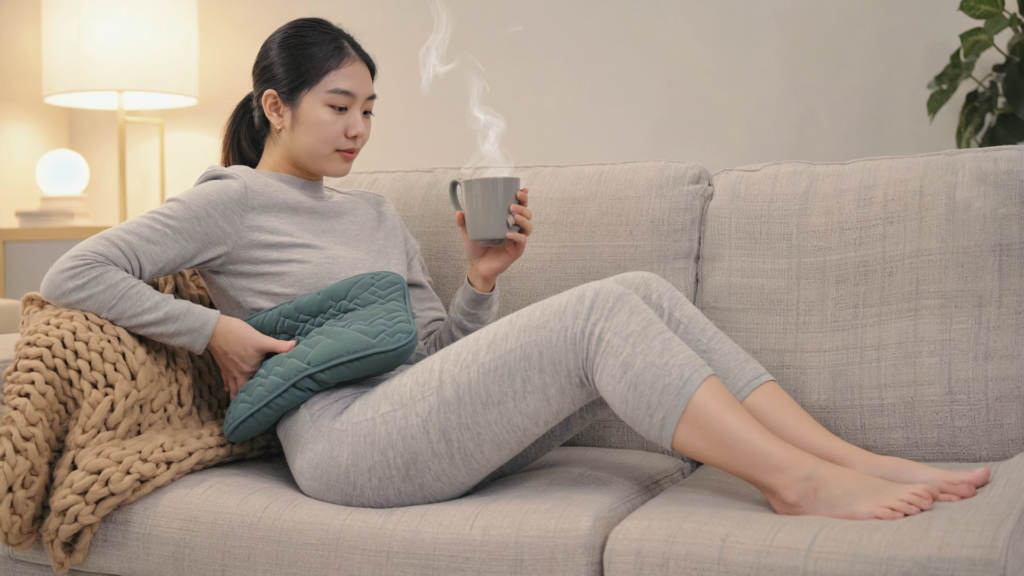
Heat therapy can feel soothing for muscle tension.
Heat therapy is a popular at-home option for muscular discomfort. For practical tips on safe, comfortable use, visit: Heating pad for back pain.
Frequently Asked Questions (FAQs)
What causes body aches?
Body aches can be linked with everyday factors like poor sleep, stress, dehydration, a mild viral illness, new or intense activity, allergies, or food-related inflammation.
What causes full body aches without a fever?
Common reasons include early viral symptoms, sleep-related stiffness, dehydration, allergies, food-related inflammation, or discomfort that feels like muscle soreness.
Body aches and chills no fever — what can I do at home?
Many people feel better with rest, fluids, warm clothing or blankets, gentle movement, and heat therapy. If you feel rapidly worse or have concerning symptoms, consider getting medical help.
Can allergies cause body aches?
Sometimes. Allergies can be linked with inflammation and fatigue, and poor sleep from congestion may make aches feel worse.
When should I see a doctor for body aches?
Seek medical help if aches feel severe, come on suddenly, or happen with red flags like trouble breathing, chest pain, fainting, confusion, or a fast-worsening overall feeling.
Does dehydration cause muscle pain?
It can. Not drinking enough fluids may contribute to muscle tightness, cramping, or general soreness in some people.
Conclusion
Body Aches Without Fever can be frustrating, but they’re often connected to everyday causes—immune responses, food-related inflammation, allergies, sleep issues, or discomfort that’s easy to mistake for “just sore muscles.”
The most helpful next step is to look for patterns: when the aches started, what changed (sleep, stress, food, hydration), and what seems to ease them. Paying attention to those signals can help you make small, steady lifestyle changes—and know when it’s time to get extra support.
This article is for general information and product guidance only. It isn’t medical advice. If discomfort is severe, unusual, or not improving, consider getting personalized guidance from a qualified professional.
Author Note
This article was prepared using publicly available information from reputable health and nutrition organizations (linked above). It is written for general wellness awareness and is not meant to replace individualized guidance from a qualified professional.
Stay Connected
Stay informed with practical, source-linked wellness content.
If you found this article helpful, consider bookmarking hwvibes.com or subscribing to our updates for easy-to-understand wellness guides, habits, and public-health awareness posts.
Sharing reliable information helps reduce confusion—feel free to share this article with a friend who might benefit.
About the Author – Mohammad Faisal Khan
Mohammad Faisal Khan is the founder and chief editor of Health & Wellness (hwvibes.com), a platform focused on creating well-researched, easy-to-understand health and wellness content for everyday readers.
While not a medical professional, he summarizes publicly available guidance from reputable organizations (such as public health and university health education resources, and other health education sources) and links to official references where possible. His goal is to help readers understand wellness topics clearly and responsibly—without offering medical advice.
For inquiries, collaborations, or feedback, reach out at: contact@hwvibes.com