
Eating well gets complicated fast when kidney health is part of the conversation. Labels, minerals and conflicting advice pile up, and most people arrive here looking for one thing: a 7 day meal plan for kidney disease they can just follow.
We are not going to give you one, and this page explains why that is the honest answer rather than a cop-out. Your stage 3 or stage 4 label does not determine your diet — your blood results, dialysis status, medicines and other conditions do, and two people at the same stage are routinely given opposite advice.
What you will find instead: what a kidney-friendly diet is actually built from, a food reference table and grocery list you can use today, what a vegetarian renal diet needs to account for, the shape a kidney-friendly day usually takes, and exactly what to bring to a renal dietitian so you leave with a plan built for your numbers. That is more useful than a menu written for somebody else.
General references used for education include the National Kidney Foundation and NIDDK.
Download + quick navigation
- 📥 Download printable grocery list (PDF)
- Jump to: Stage 3 Meal Ideas | Stage 4 Meal Ideas | Vegetarian Meal Ideas
Tip: If you have been advised to monitor sodium, potassium, phosphorus, or fluids, follow your clinician/dietitian’s guidance.
Table of Contents
What Is a Kidney-Friendly Diet? (Simple Definition)
A kidney-friendly diet is a way of eating that emphasizes simple, less processed meals and more careful ingredient choices. Many people use this style of eating to follow common kidney-friendly food guidance.
In everyday terms, kidney-friendly meal ideas often focus on:
- Lower sodium (especially from packaged and restaurant foods)
- Reasonable protein portions
- Awareness of potassium and phosphorus (for people who’ve been advised to monitor them)
Because needs vary, many people choose to get personalized input from a registered dietitian.
Quick Facts (At a Glance)
- Meal planning reduces stress: A weekly menu can make grocery shopping and cooking easier.
- Sodium is often the first focus: It’s common in breads, sauces, soups, and deli foods.
- Potassium needs vary: Some people are told to watch it; others aren’t.
- Phosphorus may show up as additives: Ingredient lists may include “phosphate” or “phosphoric acid.”
- Vegetarian can still work: A vegetarian renal diet is possible with smart portions and label-reading.
- Home cooking can make things simpler: It’s easier to limit added salt and packaged ingredients.
Why Dietary Choices Matter (Lifestyle Awareness)
Kidneys play a role in how the body manages fluids and certain nutrients. If someone has been told to watch their kidney health, they may choose to pay closer attention to food choices—especially highly processed meals and very salty foods.
A simple renal diet menu can help in day-to-day life by:
- reducing “What can I eat?” moments
- lowering reliance on convenience foods
- making meals more consistent week to week
A repeatable weekly routine is one of the most practical ways to make this manageable — once it is built around your targets rather than a generic template.
Common Contributing Factors
It can help to understand what may affect kidney health over time.
- High Blood Pressure: Over time, higher blood pressure is often linked with extra strain on the kidneys.
- Diabetes: Blood sugar issues are often linked with kidney health concerns.
Many people try to keep blood sugar more stable day to day. If that’s a topic you’re working on, you may find this helpful: How Long Does Sugar Stay in Your Body.
Key Dietary Themes to Understand
The themes below show up often in kidney-friendly resources and meal planning conversations.
1) Sodium Awareness
Many kidney-friendly meal ideas start with sodium because it’s easy to overdo without noticing.
- Try: lemon juice, vinegar, garlic powder, onion powder, pepper, herbs
- Many people choose to limit: canned soups, packaged seasoning blends, deli meats, fast food
2) Protein Portion Awareness
Protein matters, but huge portions can make meals harder to balance—especially for people who’ve been told to be mindful.
- Common choices: egg whites, fish, skinless poultry
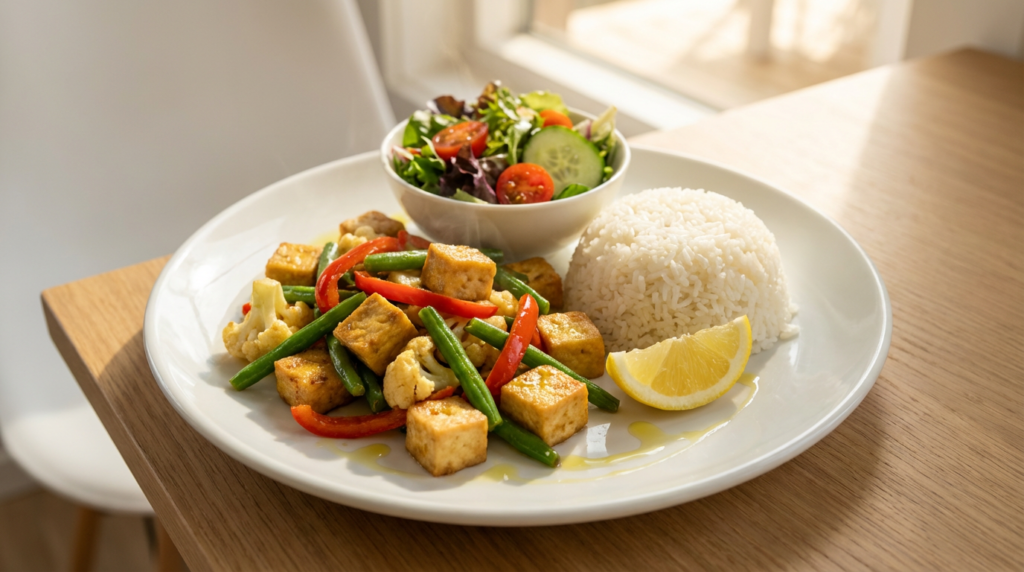
- Vegetarian options: tofu, tempeh, smaller portions of well-rinsed lentils or beans
3) Potassium Awareness
Potassium is a normal nutrient found in many foods. Some people with kidney concerns are advised to limit high-potassium items.
- Often described as lower-potassium choices: apples, berries, grapes, cabbage, cauliflower, green beans
- Often described as higher-potassium foods: bananas, oranges, potatoes, tomatoes, large servings of avocado
4) Phosphorus Awareness
Phosphorus is naturally found in many foods. Some people are specifically advised to watch for phosphorus additives in processed products.

- Ingredient words to recognize: phosphate, phosphoric acid (often any “phos” word)
- Foods many people choose to limit: packaged foods with multiple additives, cola-style drinks, processed cheese products
5) Hydration & Beverages
Staying hydrated is often mentioned in general wellness advice, including kidney-friendly eating discussions. Plain water is a common choice, but many people also wonder about coffee and tea. If you drink caffeine, you may find it useful to read our guide on Caffeine and Kidney Stones.
Kidney-Friendly Food Quick Reference (General)
| Food Category | Often used in kidney-friendly menus | Limit if advised / watch labels |
|---|---|---|
| Fruits | Apples, berries, grapes, pears, peaches, pineapple (portion-based) | Higher-potassium fruits often listed: bananas, oranges, cantaloupe, dried fruit (limit if told to monitor potassium) |
| Vegetables | Cabbage, cauliflower, green beans, lettuce, cucumbers, bell peppers, zucchini, onions | Higher-potassium options often listed: potatoes, sweet potatoes, tomatoes/tomato products, large servings of avocado (limit if told) |
| Protein | Egg whites, fresh fish, skinless chicken/turkey, tofu, tempeh | Processed meats (often high sodium + additives): bacon, sausage, deli meats; heavily seasoned/packaged meats |
| Grains | Rice, pasta, couscous, bread; oats/quinoa in measured portions | Instant meals and packaged mixes (often high sodium/phosphate additives); very large portions if you’ve been told to limit certain minerals |
| Dairy | Small amounts of yogurt (check ingredients); unsweetened almond milk | Processed cheese products; large servings of milk/ice cream (may be higher potassium/phosphorus for some people) |
| Snacks | Air-popped popcorn, rice cakes, simple fruit portions | Chips/packaged snacks; salted nuts; snacks with phosphate additives (“phos”) |
| Beverages | Water; unsweetened herbal tea (if fluids are not restricted) | Dark colas (often contain phosphorus additives), sports drinks, high-sugar juices (depending on guidance) |
| Label red flags | Short ingredient lists, home-cooked foods | Ingredients containing “phos” (phosphate, phosphoric acid), very high sodium per serving |
Note: This is general education. Individual needs vary by labs, medications, and professional guidance.
Grocery List for Kidney-Friendly Meal Plans
A general starting list of commonly kidney-friendly ingredients.
Check any item against the guidance your own team has given you, especially if you have been told to limit potassium or phosphorus. Quantities depend on your household. When buying packaged foods, check labels for sodium and phosphate additives.
Produce
☐ Apples
☐ Asparagus
☐ Avocado (small amount; used once)
☐ Bell peppers
☐ Blueberries
☐ Broccoli
☐ Brussels sprouts
☐ Cabbage
☐ Carrots
☐ Cauliflower
☐ Cucumbers
☐ Garlic
☐ Grapes
☐ Green beans
☐ Lemons (or bottled lemon juice)
☐ Lettuce / salad greens
☐ Mushrooms
☐ Onions
☐ Peaches
☐ Pears
☐ Pineapple
☐ Raspberries
☐ Strawberries
☐ Zucchini
Protein
☐ Chicken (breast or other fresh cuts)
☐ Eggs + egg whites (or carton egg whites)
☐ Fish (cod / white fish)
☐ Salmon
☐ Tuna (choose low-sodium if possible)
☐ Turkey (sliced/ground/fresh-cooked)
☐ Lean beef (optional; stir-fry)
☐ Tofu
☐ Tempeh
☐ Lentils (dry or canned; rinse if canned)
Grains & Starches
☐ Oats / oatmeal
☐ Rice
☐ Pasta
☐ Couscous
☐ Barley
☐ Quinoa
☐ Bread / toast
☐ Wraps / tortillas
☐ Rice cereal / cream of rice
☐ Rice cakes (unsalted)
☐ Dinner rolls / bread rolls (optional)
Packaged / Convenience (check labels)
☐ Low-sodium broth (chicken/vegetable)
☐ Hummus (used once; check sodium/additives)
☐ Tomato sauce (used once; choose no-salt-added if possible)
Dairy & Alternatives
☐ Yogurt
☐ Unsweetened almond milk
Snacks
☐ Popcorn kernels
☐ Pretzels (unsalted/low-sodium)
☐ Crackers (unsalted)
☐ Nuts (unsalted; small portions)
Herbs, Spices & Condiments
☐ Cinnamon
☐ Olive oil
☐ Vinegar
☐ Black pepper
☐ Garlic powder
☐ Onion powder
☐ Herbs (optional)
Why we do not publish a fixed stage 3 or stage 4 meal plan
You will find plenty of downloadable “stage 3 kidney diet” and “stage 4 kidney diet” menus online. We deliberately do not publish one, and it is worth explaining why, because the reason is also the most useful thing on this page.
Your CKD stage does not, on its own, tell anyone what you should eat. Stage is based on estimated kidney function. The diet is built on something different: your recent blood results, whether you are on dialysis, what else you are managing, and what medicines you take. Two people at the same stage can be given genuinely opposite advice — one told to limit potassium, the other told their potassium is low and to stop avoiding bananas.
A printed week that ignores all of that is not a shortcut. Following restrictions you do not need can push you towards losing weight and muscle you cannot spare, which is one of the more common problems in kidney care.
What a renal dietitian actually sets for you
When a renal dietitian builds a plan, these are the levers being adjusted. Knowing them makes your next appointment far more productive, and lets you read any meal plan you find with the right questions in mind.
- Protein — and this one surprises people. Before dialysis, protein is often moderated. Once someone starts haemodialysis, protein needs usually go up, not down, because dialysis removes protein. A plan written for pre-dialysis CKD can be actively wrong for someone on dialysis.
- Potassium — set from your blood results, not your stage. Restriction is advised when blood potassium runs high. Many people with CKD never need to restrict it, and some run low. This is why blanket “avoid these fruits” lists can mislead.
- Phosphorus — source matters as much as amount. Phosphate additives in processed food and cola drinks are absorbed far more readily than phosphorus occurring naturally in whole foods. Checking labels for ingredients containing “phos” is often more effective than cutting whole foods.
- Sodium — usually the one thing almost everyone benefits from. Most sodium comes from packaged and restaurant food rather than the salt shaker, so label reading tends to do more than removing salt from cooking.
- Fluid — only restricted for some. Fluid limits generally apply to people on dialysis or those retaining fluid. Restricting fluid without being told to can cause harm.
- Everything else you are managing. Diabetes, heart failure, blood pressure, body size, appetite, and medicines such as phosphate binders and diuretics all change the answer.
What a kidney-friendly day tends to look like
Rather than a menu to copy, here is the shape most kidney-friendly days share. Use it as a structure to fill in with foods your own team has cleared, and with the reference table and grocery list above.
- Meals built around home cooking. The single biggest lever is shifting away from packaged, cured, tinned and takeaway food, where most sodium and phosphate additives live.
- A measured protein portion at main meals, in the amount your dietitian specified — not eliminated, and not unlimited.
- Flavour from herbs, spices, citrus, vinegar, garlic and onion instead of salt or salt substitutes. Note that many “low-sodium” salt substitutes replace sodium with potassium chloride, which can be unsafe with CKD — check before using one.
- Fruit and vegetables chosen to fit your potassium guidance, in the portions you were given. If you have not been told to restrict potassium, you probably do not need to.
- Enough total energy. Undereating is a real risk when a diet feels restrictive, and unintentional weight loss is worth reporting to your team.
Vegetarian and plant-based eating with kidney disease
A vegetarian diet is compatible with kidney disease, and is not automatically harder to manage. Plant proteins can be arranged to meet your protein target, and phosphorus bound in plant foods such as beans, lentils and wholegrains is absorbed less efficiently than the additive phosphorus in processed foods.
The things worth watching are potassium in some pulses, nuts, potatoes and dried fruit if you have been told to restrict it, and getting enough protein and energy overall if your appetite is poor. If you are vegetarian or vegan, say so at your first dietetic appointment rather than adapting a meat-based plan yourself — the substitutions are not always obvious.
How to get a 7-day plan that is genuinely yours
In most health systems you can be referred to a renal dietitian through your kidney doctor or GP, and in many kidney clinics this is a standard part of care that you may simply not have been offered yet. It is reasonable to ask for it directly.
Bring these to the appointment. It turns a general conversation into an actual plan:
- Your most recent blood results, especially potassium, phosphate, albumin and eGFR.
- A three-day record of everything you actually ate and drank, including brands of packaged food.
- A full list of medicines and supplements, binders and over-the-counter products included.
- Your usual weight, and whether it has changed without you trying.
- What you actually like eating, who cooks, and your budget. A plan you will not follow is not a plan.
Questions worth asking: Do I need to limit potassium, and what did my last result show? What is my daily protein target in grams? Should I be limiting fluid? Are any of my usual foods a problem with my medicines? What should make me call you between appointments?
Kidney-Friendly Food Spotlight
Broccoli
Broccoli is often used in kidney-friendly meal ideas because it fits easily into home-cooked meals and pairs well with many dishes.
Broccoli is a great source of fiber, which helps support healthy digestion. For more on how kidney health connects to digestive regularity, read our guide on Can Kidney Stones Cause Constipation?
Quinoa
Quinoa is a popular grain option. Portion size and overall balance still matter—especially if you’ve been told to watch certain minerals.
Egg Whites
Egg whites are commonly chosen in kidney-focused meal ideas because they provide protein without the extra components found in whole eggs.
Frequently Asked Questions (FAQs)
What is a good menu for kidney disease?
A good kidney-friendly menu is usually built around simple meals and less processed food. Many people focus on cooking more at home, using herbs instead of salt, and keeping portions steady.
The best menu is the one that matches your preferences and any guidance you’ve received from a qualified professional.
Can I eat a vegetarian diet with kidney disease?
Often, yes. Many people follow a vegetarian pattern while being mindful of kidney health. The biggest challenge is that packaged vegetarian foods can be high in sodium or additives.
A simple approach is to use more whole foods (like tofu, vegetables, and grains you tolerate well) and check ingredient lists regularly.
What are the best breakfasts for kidney health?
Kidney-friendly breakfasts are often simple and lower in sodium. Common examples include oatmeal cooked with water, rice cereal, egg whites with vegetables, and berry smoothies made with unsweetened milk alternatives.
If you lean on convenience foods in the morning, choosing less processed options may be a helpful shift.
Which foods are low in potassium and phosphorus?
It depends on the person, but these foods are often listed as lower-potassium options: apples, berries, grapes, cabbage, cauliflower, and green beans.
For phosphorus, many people are advised to pay attention to phosphate additives in processed foods. Fresh foods typically contain fewer additives.
Is broccoli good for kidney disease?
Broccoli is commonly included in kidney-friendly meal plans because it works well in home-cooked meals and is easy to prepare. Whether it’s a great fit for you depends on your overall eating pattern and any personal guidance you’ve received.
Key Takeaways
- A 7 day meal plan for kidney disease can reduce stress by making meals more predictable.
- Kidney-friendly eating often emphasizes lower sodium, reasonable portions, and ingredient awareness.
- Potassium and phosphorus needs vary—some people monitor them closely; others don’t.
- Cooking at home can help you cut down on hidden sodium and additives.
- A vegetarian renal diet can work when you prioritize whole foods and read labels.
- These are sample ideas—personal needs are best discussed with a qualified professional.
Conclusion
Kidney-friendly eating can still be enjoyable and satisfying. A little planning can lead to meals that are simple, enjoyable, and easier to repeat—especially during busy weeks.
If you’re starting out, take this 7 Day Meal Plan for Kidney Disease guide to your doctor or renal dietitian and ask which meals suit your blood results. Small changes they have agreed with you usually matter more than chasing “perfect.”
Next Step
Talk It Through With Your Kidney Team
Diet changes for kidney disease work best when they are planned with your kidney team. Use this guide as a starting point for that conversation, not as a plan to follow on your own.
👉 Download or bookmark this guide for easy reference.
👉 Share it with a loved one who may benefit.
👉 For more research-backed health guides, visit HWVibes.
Short, Friendly Disclaimer
Medical Disclaimer: This article is for educational purposes only and is not medical advice. Always consult a qualified healthcare professional before making changes to your diet, medication, or treatment plan—especially if you have kidney disease.
About The Author
Mohammad Faisal Khan is the founder and chief editor of HWVibes. He curates plain-language health education using sources such as the National Kidney Foundation, CDC, and NIH.
His work focuses on kidney health, preventive care, nutrition awareness, and holistic wellness education. While not a licensed medical professional, he is committed to publishing accurate, transparent, and reader-friendly health content that encourages informed discussions with qualified healthcare providers.
Further Reading
- National Kidney Foundation: https://www.kidney.org/
- NIDDK Kidney Disease Information: https://www.niddk.nih.gov/health-information/kidney-disease
- CDC Kidney Disease: https://www.cdc.gov/kidney-disease/
Medical disclaimer: HWVibes provides general health information for educational purposes only. It is not a substitute for professional medical advice, diagnosis or treatment, and reading it does not create a doctor–patient relationship. Always ask your doctor or another qualified health provider about any medical question or before trying anything described here, and never ignore professional advice or delay seeking it because of something you read on this site. Read the full medical disclaimer.
Spotted something that looks wrong or out of date? Tell us and our editors will check it.