
You’re sleeping, drinking water, and trying to eat better—yet you still feel run-down. Or maybe your hair seems thinner, your skin looks less firm, or you’re getting annoying eye twitches. It’s normal to ask whether low vitamin levels could be playing a role.
Vitamin and mineral shortfalls can happen, especially with limited diets, low sun exposure, or absorption issues. The World Health Organization (WHO) notes that micronutrient deficiencies are a global public health concern.
A vitamin deficiency can happen when your body doesn’t get enough of a vitamin over time, or when it has trouble using or absorbing it.
Symptoms can be obvious (like low energy) or subtle (like changes in hair, skin, or mood). This guide is for general education. It covers common signs people link to vitamin gaps, why they can happen, and simple habits that may support overall nutrition. Because many symptoms overlap, a healthcare professional can confirm a deficiency with the right questions and tests.
Table of Contents
10 Easy-to-Miss Vitamin Deficiency Signs (Quick List)
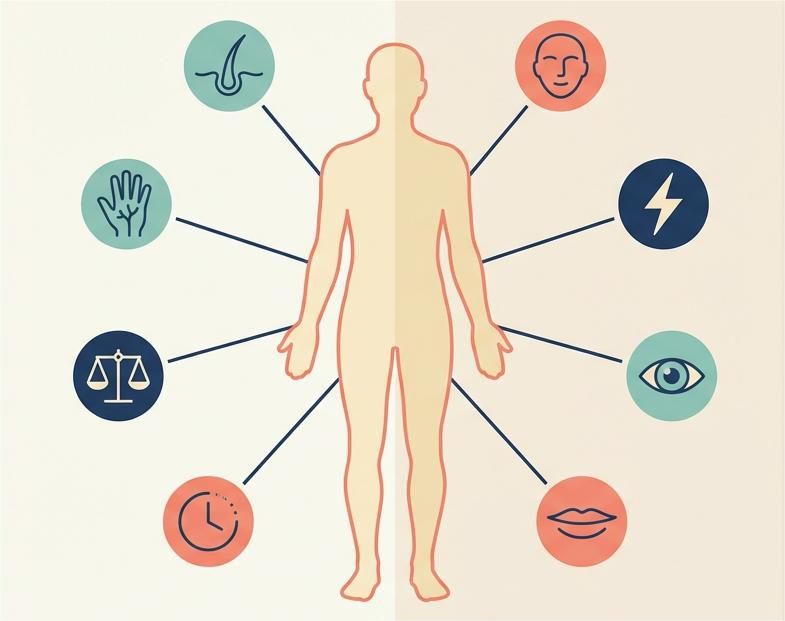
These are common, everyday signs people often associate with vitamin or mineral gaps. They can also have many other causes, so think of this as a “check-in list,” not a diagnosis.
- Feeling tired more often than usual
- Hair shedding or thinning
- Dry, dull, or “tired-looking” skin
- Eye twitching (especially during stressful weeks)
- Mood changes or feeling more irritable
- Brain fog or trouble focusing
- Getting sick more often than usual
- Mouth discomfort (like recurring canker sores)
- Tingling or “pins and needles” feelings
- Muscle weakness or slower workout recovery
If a symptom is persistent or concerning, it may help to discuss it with a qualified healthcare professional.
Vitamin Deficiency Symptoms at a Glance
This table is for general awareness. Many symptoms have more than one possible cause, and nutrition is only one part of the story. Use it as a quick map, then read the sections below for context.
| Symptom | Sometimes linked to |
|---|---|
| Hair loss or thinning | Vitamin D, B12, Biotin (B7), Iron*, Zinc* |
| Skin that looks less firm or more dry than usual | Vitamin C, Vitamin E, Vitamin A |
| Persistent fatigue | Vitamin D, Vitamin B12, Iron* |
| Eye twitching or spasms | Magnesium*, Vitamin B12, Vitamin B6, Vitamin D |
| Weight changes (many possible causes) | Vitamin D (often discussed, not always direct) |
| Recurring canker sores | Vitamin B12, Folate (B9), Iron*, Vitamin B6 |
| Mood changes or irritability | Vitamin D, Vitamin B12, Vitamin B6 |
| Tingling in hands or feet (especially if it’s new or worsening) | Vitamin B12, Vitamin B6 |
| Frequent illness | Vitamin D, Vitamin C, Vitamin B6 |
| Cracked lips or mouth soreness | Vitamin B6, Vitamin B12, Iron* |
*Iron, zinc, and magnesium are minerals, but they’re often discussed alongside vitamin deficiency topics.
What Is Vitamin Deficiency and Why Does It Happen?
Vitamins help your body do everyday jobs—like turning food into energy, supporting immunity, helping nerves work well, and helping skin renew itself.
A vitamin deficiency may happen due to:
- Limited food variety: Eating the same few foods often can leave gaps.
- Low sun exposure: Vitamin D is linked to sunlight, so indoor lifestyles can matter.
- Absorption challenges: Some people don’t absorb nutrients as easily, even with a solid diet.
- Higher needs at certain times: Pregnancy, breastfeeding, growth, heavy training, and recovery can change needs.
- Lifestyle factors: Smoking, heavy alcohol use, high stress, and some medications may affect nutrient status.
Who Is Most at Risk for Vitamin Deficiency?
Anyone can have a nutrient gap, but these groups may be more likely to run low:
- Older adults
- People with very restricted diets
- Pregnant and breastfeeding women
- People with ongoing digestive concerns
- People with limited sun exposure
Fat-Soluble vs. Water-Soluble Vitamins (Simple Explanation)
This helps explain why some deficiencies develop slowly and others can show up faster.
| Type | Vitamins | What it means |
|---|---|---|
| Fat-soluble | A, D, E, K | The body can store these. Very large supplement intakes may not be a good fit for everyone. |
| Water-soluble | B vitamins, Vitamin C | Many water-soluble vitamins need regular intake from food. Some (like B12) can be stored, so symptoms may take longer to show up. |
For deeper insights, see the Harvard T.H. Chan School of Public Health vitamin guide.
Vitamin Deficiency Symptoms: Common Concerns Explained
Symptoms often develop slowly. It’s easy to blame them on stress, sleep, a busy schedule, or aging. But if the same issues keep showing up, nutrition may be worth considering as one possible factor.
Hair Loss Vitamin Deficiency: Which Vitamin Deficiency Causes Hair Loss?
Many people look up hair loss vitamin deficiency or which vitamin deficiency causes hair loss, when shedding feels unusual. Hair shedding can happen for many reasons (stress, hormones, genetics, illness recovery), but certain nutrient gaps may play a role for some people.
Nutrients often discussed in connection with hair health include:
- Vitamin D: Some research suggests an association between Vitamin D status and certain hair concerns.
- Biotin (Vitamin B7): True deficiency is uncommon, but low intake may affect hair and nails for some people.
- Vitamin B12: Supports normal red blood cell production and nerve function.
- Iron (mineral): Commonly discussed in hair shedding conversations, especially with low intake over time.
- Zinc (mineral): Involved in normal tissue repair and growth processes.
Practical next step:
Focus on a more varied plate (protein + colorful produce + healthy fats). If shedding is sudden, intense, or worrying, consider discussing it with a qualified professional.
What Vitamin Deficiency Causes Sagging Skin?
Sagging skin can have many causes (like aging, sun exposure, and weight changes). If you’re exploring nutrition, people often discuss vitamins linked to collagen support and skin health, such as:
- Vitamin C: Supports collagen production and antioxidant protection.
Background: Linus Pauling Institute – Vitamin C and skin - Vitamin E: An antioxidant often discussed in skin barrier and moisture support.
- Vitamin A: Supports normal skin cell turnover.
Food examples:
| Vitamin | Food sources (examples) |
|---|---|
| Vitamin C | Citrus, strawberries, bell peppers, broccoli, kiwi |
| Vitamin E | Almonds, sunflower seeds, avocado, spinach |
| Vitamin A | Sweet potato, carrots, leafy greens, eggs |
A good first step:
Build meals around colorful produce and healthy fats. Lifestyle basics matter too: sleep, hydration, and sun safety support skin health.
If you’re looking for a simple drink with citrus and electrolytes, see our adrenal cocktail recipe.
Eye Spasm Vitamin Deficiency: Can Nutrition Play a Role?
If eye twitching is what brought you here, eye spasm vitamin deficiency is one angle people explore—but stress, tiredness, caffeine, and screen time are very common triggers too.
Still, nutrition sometimes comes up. Nutrients often mentioned include:
- Magnesium (mineral): Supports normal muscle and nerve function.
Reference: NIH – Magnesium (consumer fact sheet) - Vitamin B12: Supports nerve health.
- Vitamin B6: Supports neurotransmitter and nerve signaling.
- Vitamin D: Sometimes discussed alongside muscle function and general wellbeing.
A simple place to start:
Some people find it helpful to review sleep, caffeine, hydration, and screen breaks first. If twitching is persistent, severe, or comes with other symptoms (like vision changes), consider speaking with a healthcare professional.
Ganglion Cyst Vitamin Deficiency: Is There a Connection?
A ganglion cyst is a fluid-filled lump that often appears near a joint (commonly the wrist). They’re often noncancerous, but any new or changing lump should be checked by a healthcare professional. But any new or changing lump should be checked by a healthcare professional—especially if it’s painful, growing, or limiting movement. Overview: AAOS – Ganglion cyst
People sometimes search ganglion cyst vitamin deficiency, but here’s the careful takeaway:
- Some online sources suggest links with Vitamin B6 or Vitamin D, usually based on general joint/connective tissue ideas.
- Strong evidence for a direct cause is limited. Many ganglion cysts relate more to joint mechanics or irritation than a single nutrient.
What you can do (non-clinical):
If a lump is painful, growing, or limiting movement, it may be a good idea to get it checked rather than trying to guess the cause.
What Vitamin Deficiency Causes Canker Sores?
Canker sores can be triggered by stress, irritation (like biting your cheek), certain foods, and sometimes nutrition-related factors.
Nutrients often discussed with recurring canker sores include:
- Vitamin B12
- Folate (Vitamin B9)
- Iron (mineral)
- Vitamin B6
Try this (non-clinical):
Track patterns (stress, acidic foods, mouth irritation). If canker sores are frequent, consider discussing possible causes and nutrition patterns with a healthcare professional.
When Vitamin Deficiencies Overlap
Nutrient gaps can overlap. For example, someone with limited sun exposure might also have a diet low in iron-rich foods, or a restricted diet may miss multiple B vitamins. This is why it can help to focus on overall eating patterns instead of assuming one vitamin explains everything.
Vitamin D Deficiency: Fatigue, Weight Gain, and Recovery Time
Vitamin D is widely discussed because it’s linked to sunlight exposure and can be harder to get from food alone. Learn more: NIH – Vitamin D (consumer fact sheet)

10 Signs of Low Vitamin D (Commonly Discussed)
Here are 10 signs people associate with low vitamin D. These signs can have many causes and may overlap with stress, sleep issues, and diet patterns, but they’re commonly mentioned alongside low Vitamin D:
- Low energy or ongoing tiredness
- Low mood or feeling “off”
- Muscle weakness
- General aches or discomfort
- Getting sick often
- Poor sleep quality
- Brain fog
- Hair thinning (in some cases)
- Slow workout recovery
- A general sense of “not feeling your best”
Body aches can have many causes, so it may help to explore other possibilities too—see Body Aches Without Fever: 5 Surprising Causes.
Could Vitamin D Deficiency Cause Fatigue?
A common question is could vitamin d deficiency cause fatigue. It may be linked to fatigue for some people, but fatigue is also common for many other reasons (sleep debt, stress, low iron, low B12, and more).
Some people also notice energy ups and downs after high-sugar meals—here’s a simple explainer on How Long Does Sugar Stay in Your Body?
Can Deficiency of Vitamin D Cause Weight Gain?
If you’re asking can deficiency of vitamin d cause weight gain, research is still evolving. Many studies show an association between lower Vitamin D and higher body weight, but that doesn’t prove a direct cause. If weight changes are unexplained or rapid, it’s a good idea to discuss them with a healthcare professional rather than trying to fix them with supplements.
Simple takeaway:
Think of Vitamin D as one supportive factor, not a single explanation. Weight changes are usually multi-factor.
How Long Does It Take to Recover Vitamin D Deficiency?
Many people wonder how long it takes to improve low vitamin D. Timelines differ from person to person. It depends on your blood level and your clinician’s plan, including follow-up testing. A healthcare professional can explain what to expect based on your level and follow-up testing. For general context, see: Cleveland Clinic – Vitamin D deficiency
Vitamin B12 Deficiency: What to Know (Including Cancer Concerns)
Vitamin B12 supports nerve function and normal red blood cell production. It’s found mostly in animal foods and some fortified foods. Learn more: NIH – Vitamin B12 (consumer fact sheet)
Recognizing the Signs of Low B12
Commonly discussed signs include tiredness, tingling/numbness, brain fog, mood changes, and (sometimes) mouth or tongue discomfort. These symptoms can overlap with many other issues, so it helps to use them as a starting point for a bigger conversation rather than drawing conclusions from symptoms alone.
Can Vitamin B12 Deficiency Be a Sign of Cancer?
This is understandably worrying. In many cases, low B12 is linked to diet patterns or digestion issues rather than cancer.
Common reasons include diet patterns, age-related absorption changes, or digestive absorption issues. In rare cases, an unexplained deficiency may prompt a clinician to check for other causes.
Key point: low B12 is not the same as cancer. If you’re concerned, a conversation with a healthcare professional can help you get clarity.
Symptoms of B6 Vitamin Deficiency (Vitamin B6 Basics)
If you’re searching symptoms of b6 vitamin deficiency, here are commonly discussed signs. Vitamin B6 supports immune function and nerve signaling. Background reading: NIH – Vitamin B6 (consumer fact sheet)
Common Symptoms of B6 Vitamin Deficiency
- Irritated or flaky skin rashes
- Cracks at the corners of the mouth
- Sore tongue
- Mood changes
- Getting sick more often than usual
- Tingling or numbness (can overlap with B12 symptoms)
B6-Rich Foods to Include in Your Diet
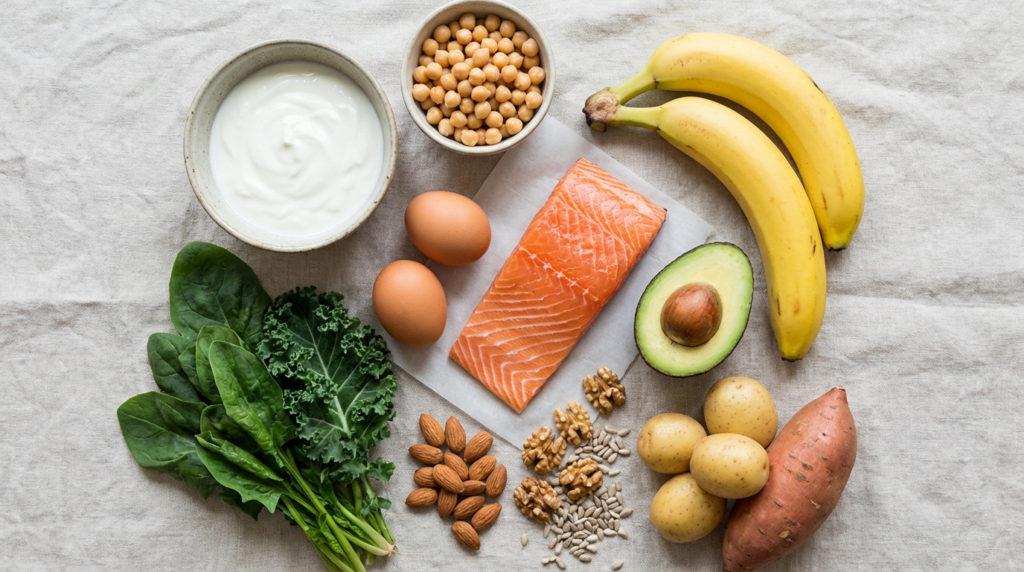
Chicken, turkey, salmon, tuna, potatoes, sweet potatoes, bananas, chickpeas, lentils, nuts/seeds, and some fortified foods.
A Note on B6 Supplements
B6 is important, but very high supplement intakes over long periods may cause unwanted effects for some people. If you take vitamin B6 supplements, it is worth checking the dose with your doctor or pharmacist. Long-term high-dose B6 can cause nerve-related symptoms (like tingling or numbness) in some people, so it’s best to review your dose with a healthcare professional.
Common Vitamin Deficiency Diseases (Educational Quick Reference)
People often ask about classic vitamin deficiency diseases. These are classic (often historical) examples linked to severe, long-term nutrient shortages. They’re listed here for general education—not for self-diagnosis.
- Scurvy (Vitamin C)
- Rickets / osteomalacia (Vitamin D)
- Beriberi (Vitamin B1)
- Pellagra (Vitamin B3)
- Night blindness (Vitamin A)
- Certain anemia types (Vitamin B12, folate, or iron)
- Bleeding problems (Vitamin K, uncommon)
- Nerve-related problems in severe cases (varies by vitamin)
Simple, Everyday Ways to Support Healthy Vitamin Levels
You don’t need a perfect diet. Small, repeatable habits tend to work better than big changes you can’t stick with.
- Eat a wider variety of foods across the week (protein, produce, whole grains, healthy fats).
- Get regular daylight when possible, balanced with sun safety.
- Use fortified foods if they fit your diet style (for example, some cereals and milk alternatives).
- Support digestion with fiber, hydration, and stress management.
When to Get Checked
If symptoms are new, getting worse, or affecting daily life, it’s a good idea to speak with a healthcare professional. They can help rule out other causes and decide whether any tests are needed.
How to Talk to Your Healthcare Provider About Vitamin Deficiency Concerns
If symptoms are persistent or worrying, it may help to bring:
- what you’re feeling (and how long)
- your diet pattern (including restrictions)
- your sun exposure and routine changes
That way, you can get guidance that fits your situation, instead of guessing from online lists.
Key Takeaways
- Vitamin deficiency symptoms can be subtle and overlap with many other causes.
- Vitamin D, B12, and B6 are common discussion points because lifestyle patterns can affect them.
- A varied diet, daylight exposure, sleep, and stress support are strong basics.
- If symptoms continue or worry you, consider getting personalized guidance.
Track changes
If you’re also tracking changes in weight and body composition, you can estimate body fat % (and lean mass) using this free Body Fat Calculator.
Frequently Asked Questions (FAQs)
What are the signs of lack of vitamins?
Possible signs include fatigue, hair thinning, skin changes, mood shifts, mouth sores, and muscle twitching. These symptoms can also come from stress, poor sleep, or other non-nutrition causes. Think of them as clues to review habits, and consider talking with a healthcare professional if symptoms persist or worry you.
What are the 10 signs of low vitamin D?
People often mention low energy, low mood, muscle weakness, aches, frequent illness, poor sleep, brain fog, hair thinning, slow workout recovery, and feeling “off.” These signs are not specific to Vitamin D and can overlap with lifestyle factors. If several apply to you for weeks, consider discussing it with a healthcare professional.
What vitamin deficiency causes canker sores?
Recurring canker sores are often discussed alongside low Vitamin B12, folate (B9), iron, and Vitamin B6. Stress, mouth irritation, and certain foods can also trigger them. If sores are frequent, unusually painful, or keep coming back, consider checking in with a healthcare professional for personalized guidance.
Which vitamin deficiency causes hair loss?
Hair loss is often discussed alongside Vitamin D, Vitamin B12, biotin (B7), and minerals like iron and zinc. But shedding can also relate to stress, hormones, and genetics, so nutrition is only one possible factor. If hair loss is sudden or heavy, consider discussing it with a healthcare professional.
Can vitamin B12 deficiency be a sign of cancer?
Usually, no. In many cases, low B12 is linked to diet patterns, age-related absorption changes, or digestive absorption issues. In rare situations, unexplained deficiency may lead a clinician to look for other causes. If this concern is on your mind, a calm conversation with a healthcare professional can help.
Medical Disclaimer
This article is for general wellness education only. It does not diagnose conditions, recommend treatment, or replace medical advice. If you have persistent symptoms or a new, changing, or painful lump, consider speaking with a qualified healthcare professional.
Final Thoughts — Awareness Matters, Not Perfection
Vitamin deficiency topics can feel confusing because symptoms overlap, and online tips don’t always fit real life. The goal isn’t to self-diagnose—it’s to notice patterns, build steadier habits, and get support when you need it.
Start simple: add one new protein, one new fruit or vegetable, and one new whole grain this week—and aim for a consistent sleep window most nights. If something still feels off, bring your symptoms and questions to a professional you trust. Explore more nutrition and wellness guides on hwvibes.com.
Medical disclaimer: HWVibes provides general health information for educational purposes only. It is not a substitute for professional medical advice, diagnosis or treatment, and reading it does not create a doctor–patient relationship. Always ask your doctor or another qualified health provider about any medical question or before trying anything described here, and never ignore professional advice or delay seeking it because of something you read on this site. Read the full medical disclaimer.
Spotted something that looks wrong or out of date? Tell us and our editors will check it.